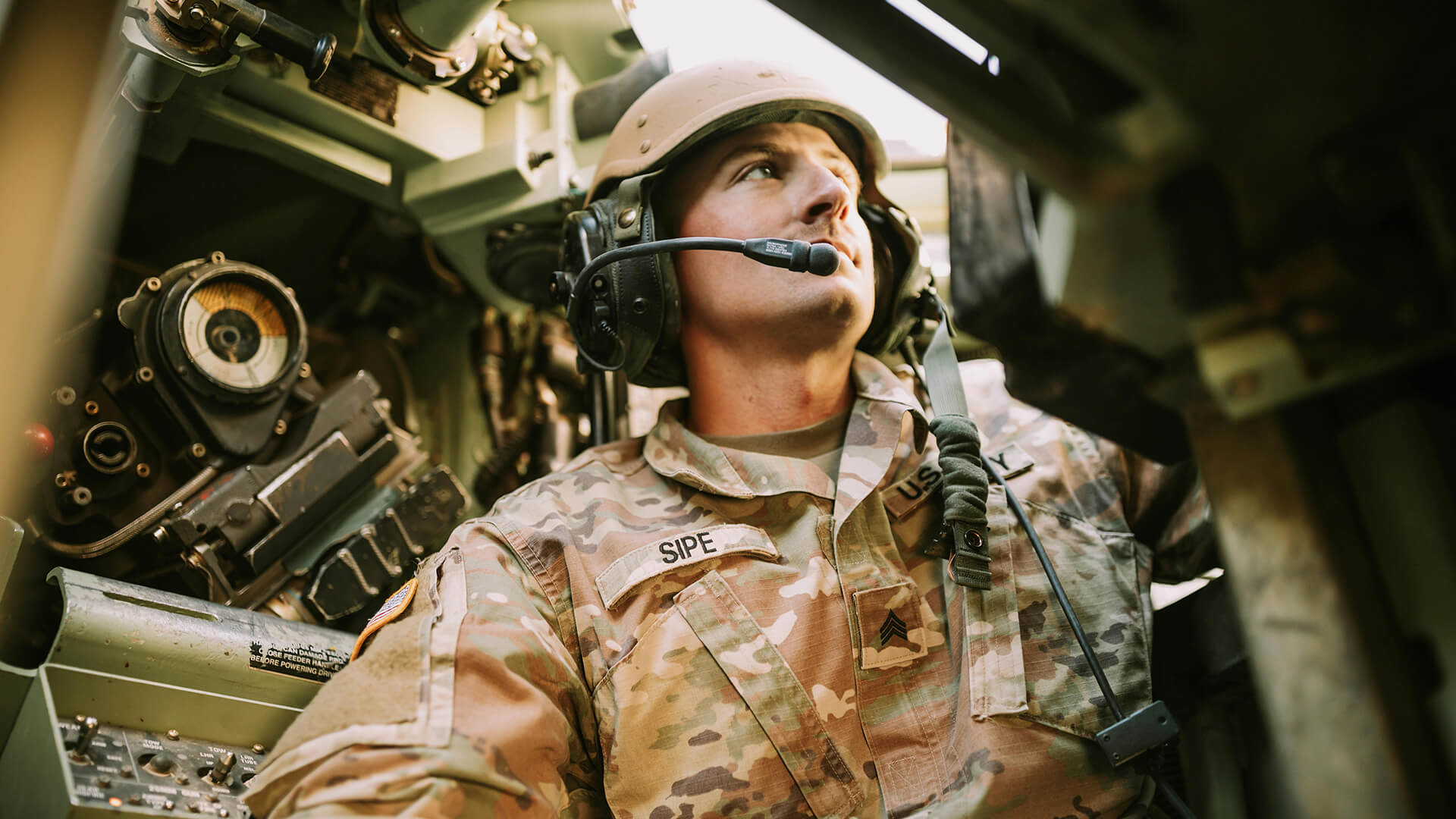
Post-Traumatic Stress Disorder (PTSD) is one of the most common service-connected disabilities among veterans. Combat deployments, military sexual trauma (MST), training accidents, life-threatening situations, and other traumatic events can leave lasting psychological effects that continue long after military service ends.
Many veterans struggle with PTSD for years before seeking treatment, and even after receiving a diagnosis, the VA claims process can feel confusing. Understanding how the VA evaluates PTSD, what evidence supports a claim, and how disability ratings are assigned can significantly improve the chances of receiving the proper compensation.
This guide explains what PTSD is, why it develops in veterans, how the VA rates PTSD, the evidence needed for service connection, common reasons claims are denied, and practical tips for building a stronger VA disability claim.
What Is PTSD?
Post-Traumatic Stress Disorder is a mental health condition that develops after experiencing or witnessing a traumatic event. Although PTSD is commonly associated with combat veterans, it can result from many different experiences during military service.
Examples include:
- Combat exposure
- Improvised explosive device (IED) attacks
- Mortar or rocket attacks
- Military Sexual Trauma (MST)
- Aircraft or vehicle accidents
- Training incidents
- Witnessing serious injuries or deaths
- Humanitarian missions
- Hostile fire or terrorist attacks
PTSD changes how the brain responds to stress and perceived danger. Even after leaving the military, the brain may continue reacting as though the traumatic event is still occurring.
Common PTSD Symptoms in Veterans
PTSD affects every veteran differently, but symptoms generally fall into four categories.
Intrusive Memories
Veterans may experience:
- Flashbacks
- Nightmares
- Disturbing memories
- Emotional distress when reminded of the trauma
- Physical reactions to triggers
Certain smells, sounds, anniversaries, or environments may trigger intense emotional responses.
Avoidance
Many veterans begin avoiding reminders of the traumatic event, including:
- Crowded places
- Conversations about military service
- News involving war
- Former military friends
- Certain locations
- Family gatherings
Avoidance often leads to increasing isolation over time.
Negative Changes in Mood and Thinking
PTSD commonly causes:
- Depression
- Feelings of guilt
- Hopelessness
- Emotional numbness
- Difficulty trusting others
- Loss of interest in hobbies
- Relationship problems
- Memory difficulties
Many veterans report feeling detached from family and friends despite wanting close relationships.
Increased Arousal and Reactivity
Common symptoms include:
- Hypervigilance
- Easily startled
- Anger outbursts
- Irritability
- Difficulty sleeping
- Poor concentration
- Anxiety
- Panic attacks
These symptoms can significantly interfere with employment and daily life.
Why Veterans Develop PTSD
Military service often exposes personnel to repeated traumatic events that most civilians never experience.
Combat deployments remain the most recognized cause, but PTSD also develops after:
- Military Sexual Trauma (MST)
- Serious vehicle accidents
- Training fatalities
- Witnessing deaths
- Recovering casualties
- Prisoner of war experiences
- Humanitarian disasters
- Constant exposure to hostile environments
Importantly, a veteran does not need to have been physically injured to develop PTSD. Witnessing traumatic events alone may be enough to establish a diagnosis.
Many veterans do not seek treatment immediately after leaving service. Delayed diagnosis is extremely common and does not automatically prevent service connection.
How the VA Rates PTSD
The VA evaluates PTSD under the General Rating Formula for Mental Disorders found in 38 CFR § 4.130.
Unlike many physical disabilities, PTSD ratings are based primarily on occupational and social impairment, not simply on the diagnosis itself.
0 Percent Rating
A diagnosis exists, but symptoms do not significantly interfere with work or social functioning and do not require continuous medication.
10 Percent Rating
Symptoms are mild and generally controlled by medication. Veterans may experience occasional decreases in work efficiency during periods of significant stress.
30 Percent Rating
A 30 percent rating is assigned when PTSD causes occasional decreases in work efficiency while the veteran generally functions satisfactorily.
Common symptoms include:
- Anxiety
- Depression
- Chronic sleep impairment
- Mild memory loss
- Panic attacks occurring weekly or less
- Suspiciousness
50 Percent Rating
Veterans receiving a 50 percent rating often experience reduced reliability and productivity.
Symptoms may include:
- Frequent panic attacks
- Difficulty understanding complex instructions
- Impaired judgment
- Memory impairment
- Disturbances in motivation
- Difficulty maintaining work relationships
- Flattened affect
- Problems maintaining social relationships
Many veterans at this rating struggle to maintain consistent employment.
70 Percent Rating
A 70 percent evaluation reflects deficiencies in most areas of life, including work, family relationships, judgment, mood, and thinking.
Common symptoms include:
- Suicidal ideation
- Obsessional rituals
- Near-continuous depression
- Near-continuous anxiety
- Impaired impulse control
- Unprovoked anger
- Difficulty adapting to stressful situations
- Inability to maintain effective relationships
- Neglect of personal hygiene
Not every veteran with a 70 percent rating experiences all these symptoms. The VA considers the overall level of impairment.
100 Percent Rating
The highest PTSD rating is reserved for total occupational and social impairment.
Symptoms may include:
- Persistent hallucinations
- Gross impairment in thought processes
- Persistent danger of harming self or others
- Severe memory loss
- Disorientation
- Inability to perform activities of daily living
A veteran does not need every listed symptom to qualify. The overall severity of impairment determines the rating.
Evidence That Strengthens a PTSD Claim
Successful PTSD claims usually include several forms of supporting evidence.
Current PTSD Diagnosis
A diagnosis from a psychiatrist, psychologist, or qualified mental health provider establishes the current disability.
Verified In-Service Stressor
The veteran must demonstrate that a traumatic event occurred during military service.
Evidence may include:
- Service treatment records
- Personnel records
- Combat awards
- Deployment records
- Buddy statements
- Military police reports
- Investigation reports
- MST markers
- Unit records
Combat veterans often receive relaxed evidentiary standards when their stressor is consistent with documented combat service.
Medical Nexus Opinion
A medical opinion should explain that the veteran’s PTSD is at least as likely as not caused by military service.
When PTSD is diagnosed years after discharge, a well-supported nexus opinion often becomes one of the strongest pieces of evidence.
Treatment Records
Consistent mental health treatment demonstrates the ongoing severity of symptoms.
Helpful records include:
- VA mental health visits
- Private counseling
- Psychiatric evaluations
- Hospitalizations
- Medication management
- Therapy notes
PTSD Secondary Conditions
PTSD frequently causes or aggravates additional disabilities that may also qualify for VA compensation.
Common secondary conditions include:
- Sleep apnea
- Migraines
- GERD
- Irritable Bowel Syndrome (IBS)
- Hypertension
- Erectile dysfunction
- Anxiety disorders
- Depression
- Bruxism (teeth grinding)
- Temporomandibular Joint Disorder (TMJ)
- Alcohol use disorder
- Obesity as an intermediate step
Veterans should discuss secondary claims with their healthcare provider because many of these connections are supported by medical literature.
Common Reasons PTSD Claims Are Denied
Many PTSD claims are denied because one or more required elements are missing.
Common reasons include:
No confirmed PTSD diagnosis. Symptoms alone are not enough.
Insufficient evidence of the in-service stressor. The VA may require additional documentation supporting the traumatic event.
Weak medical nexus. The examiner may conclude that symptoms are unrelated to military service.
Inconsistent statements. Differences between medical records, personal statements, and examination findings can affect credibility.
Failure to attend a C&P examination. Missing the examination may result in denial based on insufficient evidence.
Preparing for Your PTSD C&P Examination
The Compensation & Pension examination is one of the most important parts of a PTSD claim.
Veterans should be honest and thorough when describing:
- Nightmares
- Flashbacks
- Panic attacks
- Sleep difficulties
- Relationship problems
- Employment struggles
- Anger issues
- Anxiety
- Depression
- Social isolation
- Memory problems
Many veterans unintentionally minimize their symptoms because they have lived with them for years. The examination should accurately reflect how PTSD affects daily functioning on both good days and bad days.
Filing Tips for Veterans
Maintain copies of all mental health treatment records, psychiatric evaluations, medication histories, and therapy notes. If possible, obtain a detailed medical nexus opinion that explains how military service caused the PTSD diagnosis and references specific events from your service history.
Statements from spouses, family members, coworkers, or close friends can provide valuable insight into behavioral changes that may not appear in medical records. Veterans should also remain consistent when discussing symptoms throughout treatment and during the C&P examination, as consistency strengthens credibility.
Finally, do not overlook secondary conditions. PTSD often contributes to additional disabilities that may qualify for separate VA disability compensation when properly documented.
PTSD is one of the most significant service-connected disabilities affecting veterans today, and its impact extends far beyond mental health. It can interfere with employment, relationships, physical health, and everyday functioning.
Veterans pursuing a VA disability claim should focus on obtaining a confirmed diagnosis, documenting the in-service stressor, securing a strong medical nexus opinion, and maintaining consistent treatment records. A well-supported claim not only improves the likelihood of service connection but also helps ensure the VA assigns the disability rating that accurately reflects the veteran’s level of impairment.