Back and spine injuries are among the most prevalent service-connected disabilities affecting veterans who receive VA disability compensation. Veterans developed back and spine injuries from military service—physical training demands, load-bearing equipment, combat operations, parachute jumps, vehicle accidents, and the physical rigors of military life cause spinal damage affecting veterans. Many veterans experience chronic back pain, limited spinal mobility, radiculopathy, and significant functional impairment from service-related spine conditions. Yet many veterans don’t realize they qualify for VA disability benefits for back and spine injuries or don’t understand how the VA rates spinal conditions in veterans. This comprehensive article explains how veterans develop service-connected back and spine injuries, how veterans can file disability claims for spinal conditions, what disability ratings veterans with back injuries receive, and how veterans can maximize compensation for spine disabilities.
How Veterans Develop Service-Connected Back and Spine Injuries
Veterans develop back and spine injuries through various service-related pathways:
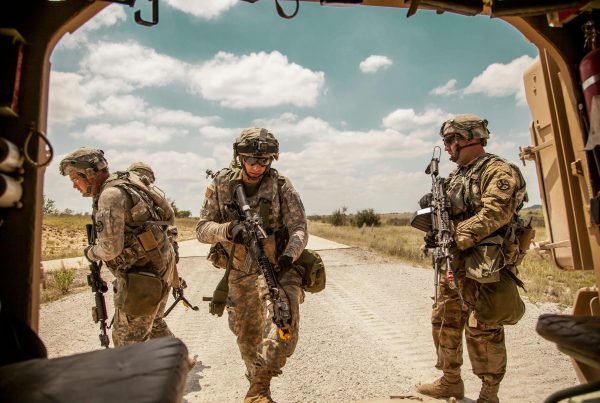
Load-Bearing Equipment: One of the most significant causes of service-connected back injuries in veterans is the cumulative stress of carrying heavy military equipment during service. Veterans who carried heavy rucksacks, body armor, weapons systems, and tactical gear during military service experienced significant spinal compression and damage from the weight-bearing demands of the veteran’s military duties. The cumulative spinal stress from heavy military equipment during the veteran’s service causes chronic disc disease, vertebral damage, and degenerative spinal changes affecting the veteran long after military service ends.
Physical Training Demands: The intense physical training requirements of military service cause significant stress and cumulative damage to veterans’ spines. Veterans who performed heavy lifting, running on hard surfaces in combat boots, obstacle course training, and repetitive physical demands of military service developed back injuries from the cumulative spinal stress affecting the veteran during military service.
Parachute Operations: Veterans who served in airborne units and performed parachute jumps during military service frequently develop lumbar spine injuries from repeated landing impacts affecting the veteran’s spinal column. Airborne-related spine injuries in veterans are among the most commonly claimed orthopedic conditions, with many airborne veterans developing chronic lumbar disc disease and radiculopathy affecting the veteran.
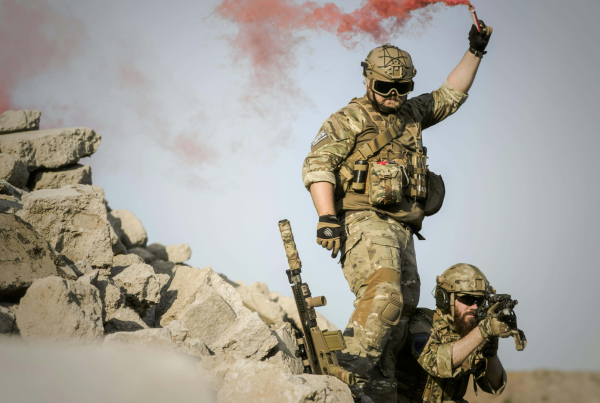
Combat Operations and Blast Exposure: Veterans who participated in combat operations experienced back injuries from blast exposures, vehicle rollovers, falls, and the physical demands of combat affecting the veteran’s spine. Blast-related spinal injuries in veterans can cause immediate disc herniation, vertebral fractures, or cumulative spinal damage affecting the veteran.
Vehicle Operations and Accidents: Veterans who operated or rode in military vehicles over rough terrain during military service frequently developed back injuries from vibration, impacts, and sudden jolts affecting the veteran’s spine. Military vehicle accidents causing spinal injuries in veterans qualify for direct service connection.
Acute In-Service Injuries: Many veterans sustained acute back injuries during military service documented in their service treatment records—herniated discs, vertebral fractures, muscle strains, and ligament injuries. These documented acute injuries during the veteran’s military service establish direct service connection for the veteran’s spinal conditions.
Secondary Spinal Conditions: Some veterans develop spinal conditions secondary to other service-connected conditions. A veteran with service-connected knee injuries sometimes develops secondary back conditions from altered gait and compensatory posture affecting the veteran’s spine. These secondary spinal conditions in veterans qualify for separate disability ratings.
Symptoms of Back and Spine Injuries in Veterans
Veterans with back and spine injuries experience various symptoms affecting the veteran:
Chronic Back Pain: The primary symptom of back and spine injuries in veterans is chronic pain in the affected spinal region. The veteran experiences persistent or recurring back pain that significantly affects the veteran’s mobility, daily activities, and occupational functioning. This chronic pain in the veteran ranges from dull aching to severe sharp pain depending on the veteran’s specific spinal condition.
Limited Range of Motion: Veterans with back and spine injuries experience reduced spinal range of motion in flexion, extension, and lateral movement. This limited mobility in the veteran affects the veteran’s ability to perform physical tasks, bend, twist, lift, and perform other functional movements required for daily life and work.
Radiculopathy: Veterans with disc herniations or spinal stenosis frequently develop radiculopathy—nerve pain radiating from the veteran’s spine into the arms or legs. This radiculopathy in the veteran causes burning, shooting pain, numbness, and tingling in the extremities that significantly affects the veteran’s functional capacity and occupational functioning.
Muscle Spasms: Veterans with back injuries experience chronic muscle spasms from the veteran’s spinal instability and nerve irritation. These spasms in the veteran cause severe pain episodes and functional limitation affecting the veteran’s daily activities and work capacity.
Weakness and Numbness: Veterans with significant spinal nerve compression develop weakness and numbness in their extremities from nerve damage affecting the veteran. This neurological impairment in the veteran from spinal conditions significantly affects functional capacity and safety.
Difficulty with Physical Activities: Veterans with back and spine injuries experience difficulty lifting, bending, standing for extended periods, walking long distances, and performing physical work requiring spinal function. These functional limitations in the veteran significantly affect occupational capacity and daily activities.
Sleep Disruption: Veterans with chronic back pain frequently experience sleep disruption from the veteran’s pain preventing comfortable positioning during sleep. This sleep disruption in the veteran from back pain compounds other health conditions and affects daytime functioning.
Degenerative Disc Disease: Veterans with chronic back injuries develop degenerative disc disease from the cumulative damage and accelerated degeneration caused by military service affecting the veteran’s spinal discs. This degenerative process in the veteran’s spine progressively worsens over time, causing increasing pain and functional impairment affecting the veteran.
Service Connection for Veterans with Back and Spine Injuries
Veterans can establish service connection for back and spine injuries through several pathways:
Direct Service Connection: Veterans can establish direct service connection by showing that back or spine injuries resulted directly from military service. A veteran with documented in-service back injury, disc herniation, or spinal trauma in the veteran’s service treatment records has the strongest direct service connection pathway. The veteran needs medical records documenting the in-service injury and a current diagnosis of the spinal condition affecting the veteran.
Continuity of Symptomatology: Veterans whose back injuries were documented during military service but never fully resolved can establish service connection through continuity of symptomatology. The veteran demonstrates that spinal symptoms have been continuous since the veteran’s military service injury, even if the veteran didn’t seek treatment immediately after separating from military service.
In-Service Occupational Exposure: Veterans whose military occupational specialty involved inherently spine-damaging activities—infantry, airborne, armor, heavy lifting occupations—can establish service connection by documenting the physical demands of the veteran’s military duties and how those demands caused the veteran’s current spinal condition.
Secondary Service Connection: Veterans establish service connection for spinal conditions as secondary conditions to service-connected knee injuries, hip conditions, or other orthopedic conditions that alter the veteran’s biomechanics and cause secondary spinal damage. Veterans also establish secondary spinal conditions from service-connected conditions requiring long-term medications causing spinal side effects affecting the veteran.
Disability Ratings for Veterans with Back and Spine Injuries
The VA rates back and spine injuries in veterans primarily based on range of motion measurements, neurological impairment, and functional limitations. The VA uses the General Rating Formula for Diseases and Injuries of the Spine for most spinal conditions affecting veterans.
Cervical and Thoracolumbar Spine Ratings Based on Range of Motion:
- 10% Rating: Veterans with forward flexion of the thoracolumbar spine greater than 60 degrees but not greater than 85 degrees, or combined range of motion greater than 120 degrees but not greater than 235 degrees, or muscle spasm, guarding, or localized tenderness not resulting in abnormal gait or abnormal spinal contour affecting the veteran.
- 20% Rating: Veterans with forward flexion of the thoracolumbar spine greater than 30 degrees but not greater than 60 degrees, or combined range of motion not greater than 120 degrees affecting the veteran.
- 40% Rating: Veterans with forward flexion of the thoracolumbar spine of 30 degrees or less, or favorable ankylosis of the entire thoracolumbar spine affecting the veteran.
- 50% Rating: Veterans with unfavorable ankylosis of the entire thoracolumbar spine affecting the veteran.
- 100% Rating: Veterans with unfavorable ankylosis of the entire spine affecting the veteran.
Radiculopathy Ratings: Veterans with radiculopathy secondary to spinal conditions receive separate ratings for the affected extremities based on neurological impairment affecting the veteran. Radiculopathy ratings range from 10% to 40% per extremity depending on severity, significantly increasing the veteran’s combined disability rating when added to the spinal rating.
Intervertebral Disc Syndrome: Veterans with intervertebral disc syndrome may receive ratings based on incapacitating episodes requiring bed rest and physician treatment, with ratings from 10% to 60% depending on episode frequency affecting the veteran.
Filing for Back and Spine Injury Disability Benefits as a Veteran
To file for VA disability benefits for back and spine injuries, veterans submit VA Form 21-526EZ indicating the specific spinal condition and affected spinal region as claimed conditions.
Veterans filing for back and spine injuries should include:
- Service treatment records documenting in-service back injuries affecting the veteran
- Medical records showing the veteran’s current spinal diagnosis and functional impairment
- Orthopedic or neurosurgery consultation reports treating the veteran’s spinal conditions
- Imaging results including X-rays and MRI showing the veteran’s spinal damage and disc disease
- Physical therapy records documenting the veteran’s range of motion limitations
- A personal statement from the veteran describing how back injuries affect daily functioning and work
- Documentation of radiculopathy symptoms if the veteran experiences nerve pain in the extremities
- If filing for secondary spinal conditions, medical evidence showing how the veteran’s primary service-connected knee or hip condition causes the veteran’s back injury
- Buddy statements from fellow service members who witnessed the veteran’s in-service injuries or observed the veteran’s functional limitations from back pain
Veterans should file separate claims for radiculopathy affecting each extremity in addition to the primary spinal condition claim, as separate radiculopathy ratings significantly increase the veteran’s combined disability rating.
The Compensation and Pension Exam for Veterans with Back and Spine Injuries
When veterans file for back and spine injury disability, the VA schedules a Compensation and Pension exam with a VA examiner. During the veteran’s exam, the VA examiner will:
- Review the veteran’s medical records and spinal injury history
- Conduct range of motion measurements of the veteran’s affected spinal regions
- Assess muscle strength, reflexes, and neurological function in the veteran’s extremities
- Ask the veteran about pain, radiculopathy symptoms, and functional limitations affecting the veteran
- Document the veteran’s ability to perform physical activities including lifting, bending, and prolonged standing
- Assess whether the veteran’s spinal conditions cause functional loss beyond measured range of motion
- Evaluate flare-up symptoms and how they affect the veteran’s functional capacity during episodes
Veterans should prepare for the exam by describing their worst symptoms and functional limitations honestly, including how the veteran’s spine performs during flare-ups and after physical activity. Veterans should describe all radiculopathy symptoms including pain, numbness, tingling, and weakness in the extremities caused by the veteran’s spinal condition.
Secondary Conditions in Veterans with Back and Spine Injuries
Veterans should file claims for conditions secondary to their back and spine injuries:
Radiculopathy: Veterans with spinal disc disease and nerve compression develop radiculopathy in the arms or legs from the nerve damage caused by the veteran’s spinal condition. Secondary radiculopathy in veterans from spinal injuries qualifies for separate disability ratings per affected extremity, significantly increasing the veteran’s combined rating.
Depression and Anxiety: Veterans with chronic back pain frequently develop depression and anxiety from the persistent pain and functional limitations affecting the veteran. Secondary mental health conditions in veterans from chronic back pain qualify for separate disability ratings.
Sleep Disorders: Veterans whose back pain disrupts sleep may develop secondary sleep disorders from chronic pain affecting the veteran’s rest. Sleep problems in veterans from back pain can receive separate disability ratings.
Knee and Hip Conditions: Veterans with back injuries often develop secondary knee and hip conditions from altered gait and compensatory movement patterns affecting the veteran. Secondary joint conditions in veterans from spinal injuries qualify for separate disability ratings.
Erectile Dysfunction: Veterans with lumbar spine injuries sometimes develop erectile dysfunction from the neurological effects of the veteran’s lumbar nerve damage. Secondary erectile dysfunction in veterans from lumbar spine injuries may receive separate ratings.
Bowel and Bladder Dysfunction: Veterans with severe spinal injuries sometimes develop bowel and bladder dysfunction from spinal nerve damage affecting the veteran. Secondary bowel and bladder conditions in veterans from spinal injuries may qualify for separate disability ratings.
These secondary conditions increase the veteran’s combined disability rating substantially, making back and spine injuries among the most impactful anchor conditions for veterans building comprehensive disability claims.
Combining Back and Spine Injuries with Other Veteran Disabilities
Many veterans have back and spine injuries combined with numerous other service-connected conditions. For example, a veteran might have a 40% rating for lumbar spine disease, a 20% rating for bilateral radiculopathy, a 70% rating for PTSD, a 50% rating for sleep apnea, and additional disabilities affecting the veteran.
All conditions in veterans combine using the VA’s combined rating formula to determine the veteran’s total disability rating. Use our disability calculator at https://vetvalor.com/va-disability-calculator-2026/ to understand exactly how your spinal ratings combine with your other service-connected conditions as a veteran. The calculator shows veterans their total combined rating and monthly compensation.
Rating Increases for Veterans with Worsening Spinal Conditions
Veterans whose back and spine conditions worsen over time should file for rating increases. Many veterans experience progressive spinal deterioration from degenerative disc disease and cumulative damage causing increasing pain and functional impairment affecting the veteran over time.
Veterans should file for rating increases when:
- The veteran’s spinal range of motion has further decreased on measurement
- The veteran’s back pain has significantly worsened affecting daily functioning
- The veteran develops new or worsening radiculopathy from spinal nerve compression
- The veteran requires spinal surgery or more intensive treatment
- The veteran’s functional limitations from spinal conditions have significantly increased
- The veteran develops new spinal complications including stenosis or myelopathy
When filing for a rating increase, veterans should submit updated orthopedic or neurosurgery records, new imaging results, and physical therapy notes documenting the veteran’s worsened spinal range of motion and functional impairment.
Use our disability calculator at https://vetvalor.com/va-disability-calculator-2026/ to see how a spinal rating increase would affect your combined rating and total compensation as a veteran.
Understanding Your Back and Spine Disability Compensation
A veteran’s back and spine disability compensation depends on the veteran’s spinal ratings, radiculopathy ratings, and any other service-connected conditions the veteran has. Use our disability calculator at https://vetvalor.com/va-disability-calculator-2026/ to determine:
- Your combined rating including all spinal conditions, radiculopathy, and other disabilities
- Your monthly compensation based on your disability ratings
- How a spinal rating increase would affect your total compensation
- How back and spine injuries combine with other service-connected conditions affecting the veteran
The calculator helps veterans understand their total compensation when spinal injuries and radiculopathy combine with other disabilities affecting the veteran.
Back and Spine Injury Treatment and Management for Veterans
Veterans with service-connected back and spine injuries should establish regular care with VA orthopedic specialists, neurosurgeons, or primary care providers knowledgeable about spinal condition management. The VA offers veterans:
- Orthopedic and neurosurgical evaluation and diagnosis of the veteran’s spinal conditions
- Physical therapy for spinal rehabilitation and core strengthening for the veteran
- Pain management including medications, epidural injections, and interventional procedures for the veteran’s back pain
- Imaging and diagnostic testing to monitor the veteran’s spinal condition progression
- Surgical evaluation and spinal surgery for appropriate veterans including discectomy, fusion, and laminectomy
- Assistive devices including back braces, canes, and mobility aids for the veteran
- Chiropractic care available through the VA for the veteran’s spinal conditions
- Complementary approaches including acupuncture for the veteran’s chronic back pain
Veterans should maintain regular VA orthopedic care both for treatment and to create medical documentation supporting disability ratings and potential rating increase claims for the veteran’s spinal conditions.
Occupational Considerations for Veterans with Back and Spine Injuries
The VA recognizes that severe back and spine injuries affect occupational capacity in veterans. Veterans whose spinal conditions prevent them from performing their previous occupation—particularly physically demanding jobs, positions requiring prolonged standing, bending, or lifting, roles involving repetitive spinal loading, or any occupation where spinal instability and radiculopathy pose safety risks—may need occupational accommodations or career changes affecting the veteran.
Veterans with severe spinal conditions significantly limiting occupational capacity should consider filing for Individual Unemployability (IU). Veterans whose back injuries and related conditions prevent substantially gainful employment may qualify for IU benefits even if individual ratings don’t meet standard thresholds affecting the veteran. Back injuries combined with radiculopathy, mental health conditions, and other service-connected disabilities frequently push veterans to the IU eligibility threshold affecting the veteran.
Appealing Denied Back and Spine Claims for Veterans
If the VA denies a veteran’s back or spine injury claim, the veteran can appeal. Many veterans successfully overturn denials by:
- Submitting service treatment records documenting in-service back injuries affecting the veteran
- Obtaining nexus letters from orthopedic specialists or neurosurgeons confirming the veteran’s spinal conditions are service-connected
- Working with a VA-accredited representative who understands orthopedic and spinal claims
- Providing detailed personal statements describing the veteran’s in-service injuries and current functional limitations
- Requesting a new C&P exam if the original examiner failed to adequately measure range of motion or assess radiculopathy
- Filing separately for radiculopathy if the veteran’s primary spinal condition was approved
- Documenting the veteran’s military occupational specialty and specific physical demands of the veteran’s service causing spinal damage
Don’t accept a denied back or spine claim without appeal—many veterans successfully obtain spinal disability benefits after appealing initial denials.
Conclusion
Back and spine injuries are service-connected disabilities affecting many veterans, significantly impacting the veteran’s ability to perform physical work, maintain mobility, and sustain daily functioning. Veterans who developed back and spine injuries from load-bearing equipment, physical training, combat operations, parachute jumps, or vehicle accidents during military service deserve disability compensation. If you’re a veteran with back or spine injuries, file disability claims for your spinal condition and all associated radiculopathy separately to maximize the veteran’s combined rating. Document your range of motion limitations and neurological symptoms thoroughly, as these measurements directly determine the veteran’s rating level. File for secondary conditions caused by the veteran’s primary spinal condition including radiculopathy, depression, and secondary joint injuries. Maintain regular VA orthopedic care and document your symptoms, functional limitations, and spinal deterioration consistently. Use our disability calculator at https://vetvalor.com/va-disability-calculator-2026/ to understand your combined rating and total compensation when back and spine injuries combine with other veteran disabilities. As a veteran with service-connected back and spine injuries, you deserve disability benefits recognizing your conditions and compensating you for the functional impact on your veteran life.