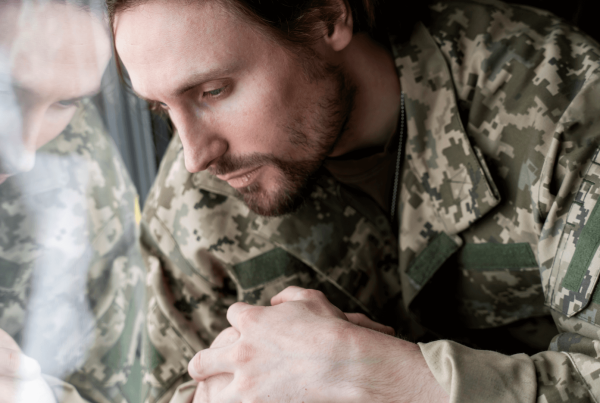
Sleep apnea is one of the most common service-connected disabilities affecting veterans who receive VA disability compensation. Veterans developed sleep apnea from military service—weight gain during service, nasal injuries, TBI, PTSD, toxic exposures, and other service-related factors cause sleep apnea affecting veterans. Many veterans experience chronic sleep disruption, daytime fatigue, cognitive impairment, and significant functional limitations from service-related sleep apnea. Yet many veterans don’t realize they qualify for VA disability benefits for sleep apnea or don’t understand how the VA rates sleep apnea in veterans. This comprehensive article explains how veterans develop service-connected sleep apnea, how veterans can file disability claims for sleep apnea, what disability ratings veterans with sleep apnea receive, and how veterans can maximize compensation for sleep apnea disabilities.
How Veterans Develop Service-Connected Sleep Apnea
Veterans develop sleep apnea through various service-related pathways:
PTSD and Mental Health Conditions: The most commonly claimed pathway for service-connected sleep apnea in veterans is as a secondary condition to PTSD. Veterans with service-connected PTSD frequently develop sleep apnea because PTSD disrupts the veteran’s sleep architecture and breathing patterns during sleep. Medical literature strongly supports the relationship between PTSD and sleep apnea development in veterans, making secondary service connection through PTSD one of the strongest pathways for the veteran.
Traumatic Brain Injury: Veterans with service-connected TBI frequently develop central sleep apnea from neurological damage affecting the veteran’s breathing regulation during sleep. TBI-related sleep apnea in veterans is well-documented and qualifies for secondary service connection affecting the veteran.
Weight Gain During Service: Many veterans gained significant weight during military service due to reduced physical activity, dietary changes, or medications taken during the veteran’s service. This service-related weight gain contributed to obstructive sleep apnea development in many veterans. The veteran can establish service connection by documenting weight gain occurring during military service.
Nasal and Facial Injuries: Veterans who sustained nasal fractures, facial trauma, or injuries to the veteran’s upper airway during military service sometimes developed sleep apnea from structural airway changes. These injury-related sleep apnea cases in veterans qualify for direct service connection.
Toxic Exposures: Veterans exposed to burn pits, Agent Orange, or other toxic substances during military service sometimes developed sleep apnea from respiratory system damage. Toxic exposure-related sleep apnea in veterans may qualify for presumptive service connection under the PACT Act affecting the veteran.
In-Service Diagnosis: Some veterans received a sleep apnea diagnosis during military service itself. Veterans with documented in-service sleep apnea diagnosis have the strongest direct service connection pathway for the veteran’s sleep apnea claim.
Symptoms of Sleep Apnea in Veterans
Veterans with sleep apnea experience various symptoms affecting the veteran:
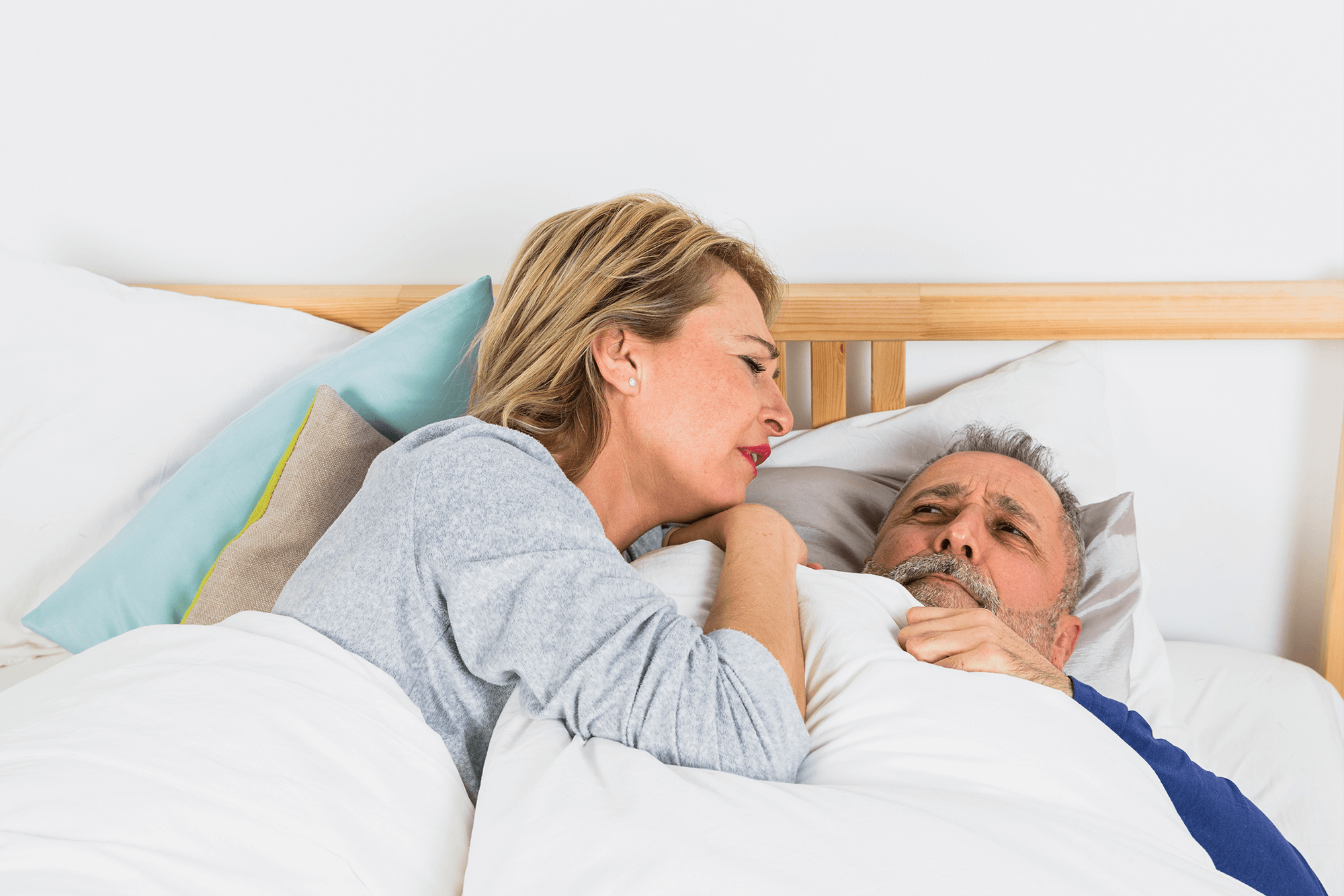
Loud Snoring: The most recognizable symptom of sleep apnea in veterans is loud, persistent snoring. This snoring in veterans disrupts the veteran’s sleep and the sleep of the veteran’s partner or family members.
Breathing Cessation During Sleep: Veterans with sleep apnea experience repeated episodes where the veteran stops breathing during sleep. These breathing cessations in veterans cause oxygen desaturation and disrupt the veteran’s sleep cycle repeatedly throughout the night.
Excessive Daytime Sleepiness: Veterans with sleep apnea experience profound daytime sleepiness from chronic sleep disruption. This daytime fatigue in veterans significantly affects the veteran’s occupational functioning, concentration, and safety when driving or operating machinery.
Morning Headaches: Veterans with sleep apnea frequently wake with morning headaches from overnight oxygen desaturation. These headaches in veterans from sleep apnea affect the veteran’s morning functioning and productivity.
Cognitive Impairment: Veterans with sleep apnea experience memory problems, difficulty concentrating, and reduced cognitive performance from chronic sleep deprivation. This cognitive impairment in the veteran from sleep apnea significantly affects occupational capacity.
Mood Disturbances: Veterans with sleep apnea frequently experience irritability, depression, and anxiety from chronic sleep disruption. These mood disturbances in the veteran from sleep apnea compound existing mental health conditions affecting the veteran.
Nighttime Awakening: Veterans with sleep apnea frequently wake gasping, choking, or with a sensation of suffocation. These nighttime awakenings in the veteran prevent restorative sleep and cause significant daytime impairment affecting the veteran.
Service Connection for Veterans with Sleep Apnea
Veterans can establish service connection for sleep apnea through several pathways:
Direct Service Connection: Veterans can establish direct service connection by showing that sleep apnea resulted directly from military service factors. A veteran with documented in-service sleep apnea diagnosis, nasal injury, or significant weight gain during military service can establish direct service connection for the veteran’s sleep apnea.
Secondary Service Connection: Many veterans establish service connection for sleep apnea as a secondary condition to PTSD, TBI, or other service-connected conditions. Veterans demonstrate how their primary service-connected condition directly causes or aggravates the veteran’s sleep apnea. The nexus between PTSD and sleep apnea is well-supported by medical literature, making this the most commonly successful pathway for veterans filing sleep apnea claims.
Aggravation Claims: Veterans whose pre-existing sleep apnea was aggravated beyond its natural progression by military service can establish service connection through aggravation. The veteran must show that military service worsened the veteran’s sleep apnea beyond what would have occurred naturally.
Disability Ratings for Veterans with Sleep Apnea
The VA rates sleep apnea in veterans based on severity and required treatment. Sleep apnea ratings in veterans range from 0% to 100%, with the rating heavily influenced by whether the veteran requires a CPAP machine.
0% Rating for Veterans: Veterans at this level have sleep apnea confirmed by sleep study but not requiring treatment and not causing symptoms significantly affecting the veteran’s functioning.
30% Rating for Veterans: Veterans receiving 30% for sleep apnea have sleep apnea causing persistent daytime hypersomnolence affecting the veteran’s functioning. The veteran experiences significant daytime sleepiness impacting occupational capacity.
50% Rating for Veterans: Veterans receiving 50% for sleep apnea require the use of a breathing assistance device such as a CPAP machine. This is the most common sleep apnea rating for veterans, as most veterans with diagnosed sleep apnea require CPAP therapy. The veteran receives 50% simply by virtue of requiring CPAP treatment regardless of how well controlled the veteran’s symptoms are with the device.
100% Rating for Veterans: Veterans receiving 100% for sleep apnea have chronic respiratory failure with carbon dioxide retention, require tracheostomy, or require a heart assist device. This rating reflects the most severe sleep apnea cases affecting the veteran.
Filing for Sleep Apnea Disability Benefits as a Veteran
To file for VA disability benefits for sleep apnea, veterans submit VA Form 21-526EZ indicating sleep apnea as the claimed condition.
Veterans filing for sleep apnea should include:
- A sleep study (polysomnography) documenting the veteran’s sleep apnea diagnosis
- Medical records showing the veteran’s sleep apnea diagnosis and treatment
- Documentation that the veteran requires a CPAP or other breathing assistance device
- Records of in-service weight gain, nasal injuries, or other service factors contributing to the veteran’s sleep apnea
- If filing for secondary sleep apnea, medical evidence showing how the veteran’s primary service-connected PTSD or TBI causes the veteran’s sleep apnea
- A nexus letter from a physician connecting the veteran’s sleep apnea to military service
- A personal statement from the veteran describing how sleep apnea affects daily functioning and work
- Buddy statements from the veteran’s partner or family members who have observed the veteran’s sleep apnea symptoms
Veterans should ensure they have an official sleep study diagnosis before filing, as the VA requires objective medical evidence of sleep apnea for the veteran’s claim.
The Compensation and Pension Exam for Veterans with Sleep Apnea
When veterans file for sleep apnea disability, the VA typically schedules a Compensation and Pension exam. During the veteran’s exam, the VA examiner will:
- Review the veteran’s sleep study results and medical records
- Ask the veteran detailed questions about sleep apnea symptoms and daytime functioning
- Inquire whether the veteran uses a CPAP or other breathing assistance device
- Ask about the effectiveness of the veteran’s CPAP treatment and residual symptoms
- Assess how the veteran’s sleep apnea impacts occupational functioning and daily activities
- Document any cognitive impairment, mood disturbances, or other complications from the veteran’s sleep apnea
- Assess the relationship between the veteran’s sleep apnea and any primary service-connected conditions
Veterans should prepare for the exam by bringing their sleep study results, CPAP prescription documentation, and a description of how sleep apnea affects the veteran’s daily functioning even with treatment.
Secondary Conditions in Veterans with Sleep Apnea
Veterans should file claims for conditions secondary to their sleep apnea:
Depression and Anxiety: Veterans with chronic sleep apnea frequently develop depression and anxiety from chronic sleep deprivation and the burden of managing the veteran’s condition. Secondary mental health conditions in veterans from sleep apnea qualify for separate disability ratings.
Cardiovascular Conditions: Untreated or undertreated sleep apnea in veterans increases the risk of hypertension, heart disease, and stroke. Secondary cardiovascular conditions in veterans from sleep apnea may qualify for separate disability ratings.
Cognitive Impairment: Veterans with chronic sleep apnea sometimes develop persistent cognitive impairment beyond individual sleep episodes. Secondary cognitive conditions in veterans from chronic sleep apnea may receive additional consideration.
Erectile Dysfunction: Veterans with sleep apnea sometimes develop erectile dysfunction from hormonal disruption caused by chronic sleep deprivation affecting the veteran. Secondary erectile dysfunction in veterans from sleep apnea may receive separate ratings.
These secondary conditions increase the veteran’s combined disability rating substantially.
Combining Sleep Apnea with Other Veteran Disabilities
Many veterans have sleep apnea combined with other service-connected conditions. For example, a veteran might have a 50% rating for sleep apnea, a 70% rating for PTSD, and additional disabilities affecting the veteran.
All conditions in veterans combine using the VA’s combined rating formula to determine the veteran’s total disability rating. Use our disability calculator at https://vetvalor.com/va-disability-calculator-2026/ to understand exactly how your sleep apnea rating combines with your other service-connected conditions as a veteran. The calculator shows veterans their total combined rating and monthly compensation.
Rating Increases for Veterans with Worsening Sleep Apnea
Veterans whose sleep apnea worsens over time should file for rating increases. Some veterans develop progressively worse sleep apnea requiring more intensive treatment or causing increasing functional limitations affecting the veteran.
Veterans should file for rating increases when:
- The veteran’s sleep apnea worsens despite CPAP treatment
- The veteran develops carbon dioxide retention or other serious complications
- The veteran’s daytime hypersomnolence worsens significantly affecting the veteran’s functioning
- The veteran requires more intensive treatment beyond CPAP for sleep apnea
- The veteran’s cognitive impairment from sleep apnea has significantly worsened
- The veteran’s cardiovascular complications from sleep apnea have developed or worsened
When filing for a rating increase, veterans should submit updated sleep study results and medical evidence showing the veteran’s worsened sleep apnea condition and current functional impact.
Use our disability calculator at https://vetvalor.com/va-disability-calculator-2026/ to see how a sleep apnea rating increase would affect your combined rating and total compensation as a veteran.
Understanding Your Sleep Apnea Disability Compensation
A veteran’s sleep apnea disability compensation depends on the veteran’s sleep apnea rating and any other service-connected conditions the veteran has. Use our disability calculator at https://vetvalor.com/va-disability-calculator-2026/ to determine:
- Your combined rating including sleep apnea and other disabilities
- Your monthly compensation based on your disability ratings
- How a sleep apnea rating increase would affect your total compensation
- How sleep apnea combines with other service-connected conditions affecting the veteran
The calculator helps veterans understand their total compensation when sleep apnea combines with other disabilities affecting the veteran.
Sleep Apnea Treatment and Management for Veterans
Veterans with service-connected sleep apnea should establish regular care with VA sleep specialists or primary care providers knowledgeable about sleep apnea management. The VA offers veterans:
- Sleep study (polysomnography) for diagnosis and treatment planning of the veteran’s sleep apnea
- CPAP equipment and supplies provided to the veteran at no cost through the VA
- CPAP mask fittings and equipment adjustments for the veteran’s comfort and compliance
- Dental devices for veterans whose sleep apnea is appropriately treated with oral appliances
- Surgical evaluation for veterans with sleep apnea caused by structural airway issues
- Weight management programs for veterans whose sleep apnea is related to the veteran’s weight
- Mental health treatment for PTSD and anxiety contributing to the veteran’s sleep apnea
Veterans should maintain regular VA sleep medicine care both for treatment and to create medical documentation supporting disability ratings and potential rating increase claims for the veteran’s sleep apnea.
Occupational Considerations for Veterans with Sleep Apnea
The VA recognizes that severe sleep apnea affects occupational capacity in veterans. Veterans whose sleep apnea prevents them from performing their previous occupation—particularly jobs requiring alertness, operating heavy machinery, driving commercial vehicles, or positions where daytime sleepiness poses safety risks—may need occupational accommodations or career changes affecting the veteran.
Veterans with severe sleep apnea significantly limiting occupational capacity should consider filing for Individual Unemployability (IU). Veterans whose sleep apnea and related conditions prevent substantially gainful employment may qualify for IU benefits even if the veteran’s individual ratings don’t meet the standard threshold.
Appealing Denied Sleep Apnea Claims for Veterans
If the VA denies a veteran’s sleep apnea claim, the veteran can appeal. Many veterans successfully overturn denials by:
- Submitting official sleep study results documenting the veteran’s sleep apnea diagnosis
- Obtaining nexus letters from sleep specialists or physicians confirming the veteran’s sleep apnea is service-connected
- Working with a VA-accredited representative who understands sleep apnea claims
- Providing detailed personal statements describing the veteran’s symptoms and functional limitations
- Filing for secondary sleep apnea if the veteran’s primary service-connected PTSD or TBI was approved
- Documenting the veteran’s CPAP requirement to establish eligibility for the 50% rating
Don’t accept a denied sleep apnea claim without appeal—many veterans successfully obtain sleep apnea disability benefits after appealing initial denials.
Conclusion
Sleep apnea is a service-connected disability affecting many veterans, significantly impacting the veteran’s ability to sleep, concentrate, work, and maintain daily functioning. Veterans who developed sleep apnea from PTSD, TBI, service-related weight gain, nasal injuries, or toxic exposures during military service deserve disability compensation. If you’re a veteran with sleep apnea, file a disability claim documenting your condition and how sleep apnea affects your functioning. Obtain an official sleep study diagnosis and document your CPAP requirement, as CPAP use alone qualifies the veteran for a 50% rating. File for secondary sleep apnea if another service-connected condition like PTSD or TBI causes the veteran’s sleep apnea. Maintain regular VA sleep medicine care and document your symptoms and functional limitations consistently. Use our disability calculator at https://vetvalor.com/va-disability-calculator-2026/ to understand your combined rating and total compensation when sleep apnea combines with other veteran disabilities. As a veteran with service-connected sleep apnea, you deserve disability benefits recognizing your condition and compensating you for the functional impact on your veteran life.