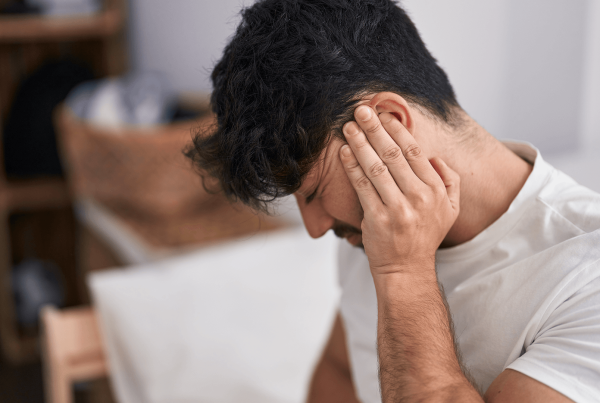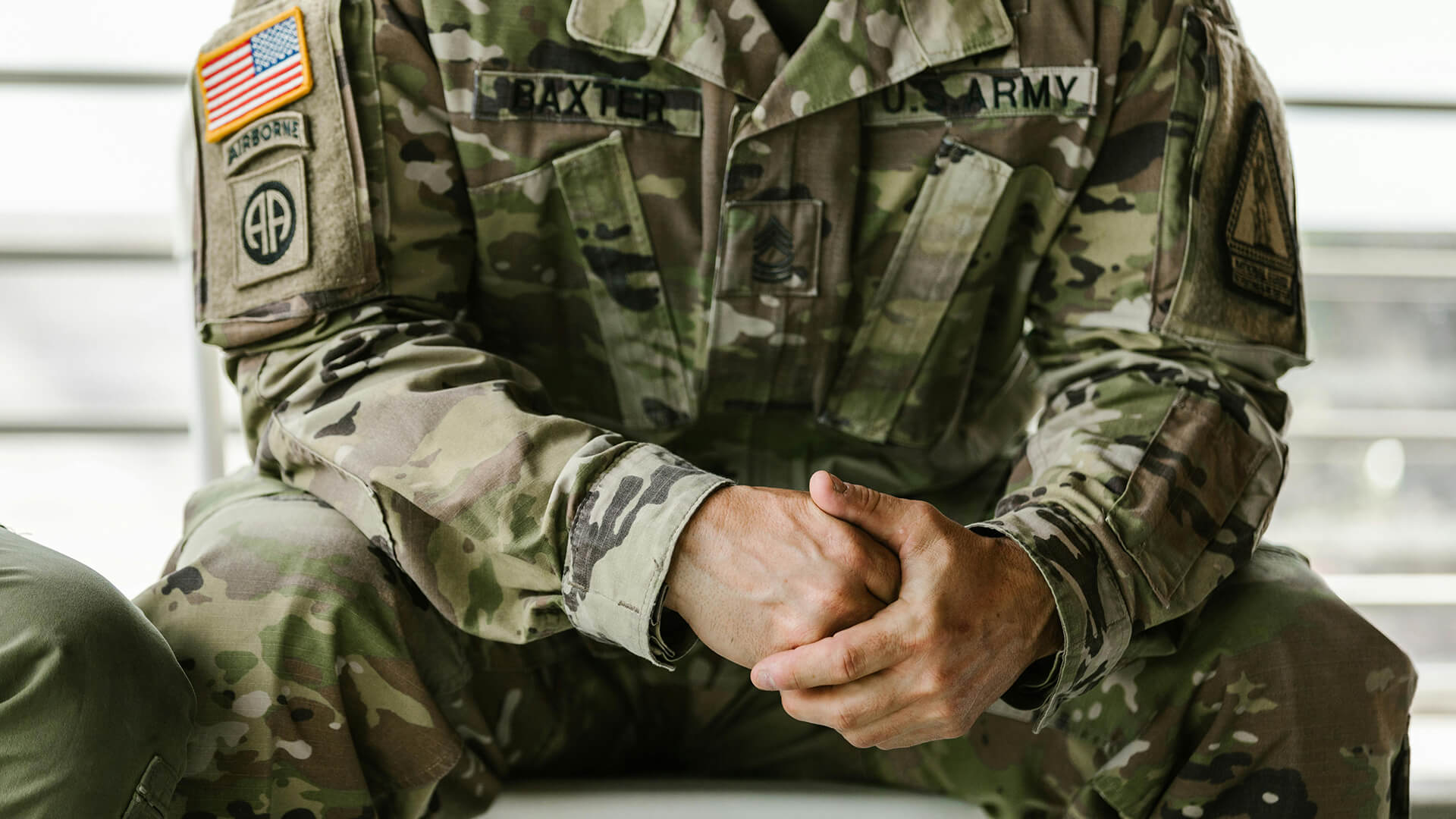
Obstructive sleep disorders beyond sleep apnea are significant service-connected disabilities affecting many veterans who receive VA disability compensation. Veterans developed sleep disorders from military service—combat stress, PTSD, traumatic brain injury, irregular sleep schedules during deployment, toxic exposures, and the psychological and physical demands of military life cause chronic sleep dysfunction affecting veterans. Many veterans experience insomnia, hypersomnia, circadian rhythm disorders, nightmare disorders, and significant functional impairment from service-related sleep conditions. Yet many veterans don’t realize they qualify for VA disability benefits for sleep disorders beyond sleep apnea or don’t understand how the VA rates sleep conditions in veterans. This article explains how veterans develop service-connected obstructive sleep disorders, how veterans can file disability claims for sleep conditions, what disability ratings veterans with sleep disorders receive, and how veterans can maximize compensation for sleep disabilities.
How Veterans Develop Service-Connected Sleep Disorders
Veterans develop obstructive sleep disorders through various service-related pathways:
PTSD-Related Sleep Dysfunction: The most common cause of service-connected sleep disorders in veterans beyond sleep apnea is PTSD. Veterans with service-connected PTSD almost universally develop significant sleep dysfunction from hyperarousal, nightmares, and the neurological effects of chronic trauma affecting the veteran’s sleep architecture. PTSD-related sleep disorders in veterans include insomnia, nightmare disorder, and non-restorative sleep that significantly impair the veteran’s daily functioning and occupational capacity. These sleep disorders in veterans qualify for secondary service connection through the veteran’s primary PTSD rating or as separate conditions affecting the veteran.
Traumatic Brain Injury: Veterans with service-connected TBI frequently develop sleep disorders from neurological damage affecting the veteran’s sleep regulation centers. TBI-related sleep dysfunction in veterans includes hypersomnia, insomnia, circadian rhythm disorders, and non-restorative sleep from disrupted neurological sleep control affecting the veteran. These TBI-related sleep conditions in veterans qualify for secondary service connection through the veteran’s primary TBI rating affecting the veteran.
Combat and Operational Stress: The extreme stress of combat operations, irregular sleep schedules during deployments, and the demands of military service disrupt veterans’ normal sleep patterns during and after military service affecting the veteran. Chronic sleep disruption during military operations sensitizes veterans’ sleep systems, causing persistent insomnia and circadian rhythm disorders affecting the veteran long after military service ends.
Deployment Sleep Schedule Disruption: Veterans deployed across multiple time zones and required to maintain irregular sleep schedules during military operations frequently develop circadian rhythm sleep disorders from the chronic disruption of their biological sleep-wake cycles affecting the veteran. This deployment-related circadian dysfunction in veterans can persist long after the veteran returns from deployment affecting the veteran’s civilian sleep patterns.
Nightmare Disorder: Veterans with combat exposure and PTSD frequently develop nightmare disorder as a distinct sleep condition causing repeated distressing dream episodes that significantly disrupt the veteran’s sleep and daytime functioning. Nightmare disorder in veterans from combat trauma qualifies for service connection as a primary condition or secondary to the veteran’s PTSD affecting the veteran.
Medications for Service-Connected Conditions: Veterans taking certain medications for service-connected conditions — including some antidepressants, antihypertensives, and other drugs — sometimes develop sleep disorders as medication side effects affecting the veteran’s sleep architecture. Secondary medication-induced sleep disorders in veterans from treatments for service-connected conditions qualify for secondary service connection affecting the veteran.
Chronic Pain-Related Insomnia: Veterans with service-connected chronic pain conditions including back injuries, joint conditions, and fibromyalgia frequently develop secondary insomnia from pain disrupting sleep onset and maintenance affecting the veteran. These pain-related sleep disorders in veterans qualify for secondary service connection through the veteran’s primary pain conditions affecting the veteran.
Types of Sleep Disorders in Veterans
Veterans develop several distinct sleep conditions beyond obstructive sleep apnea from military service affecting the veteran:
Chronic Insomnia Disorder: The most prevalent sleep disorder in veterans beyond sleep apnea is chronic insomnia — persistent difficulty falling asleep, staying asleep, or achieving restorative sleep despite adequate sleep opportunity affecting the veteran. Veterans with chronic insomnia experience daytime fatigue, cognitive impairment, mood disturbances, and significant functional impairment from sleep deprivation affecting the veteran’s occupational capacity and daily functioning.
Nightmare Disorder: Veterans with combat exposure and PTSD frequently develop nightmare disorder characterized by repeated distressing dream episodes causing awakening and significant distress affecting the veteran. This nightmare disorder in veterans disrupts sleep continuity, causes fear of sleep onset, and significantly impairs the veteran’s daytime functioning and quality of life.
Circadian Rhythm Sleep-Wake Disorders: Veterans who experienced chronic sleep schedule disruption during military service sometimes develop circadian rhythm disorders causing misalignment between their biological sleep-wake cycle and conventional sleep timing expectations affecting the veteran. These circadian disorders in veterans significantly affect occupational functioning when conventional work schedules conflict with the veteran’s disrupted biological clock.
Hypersomnia: Veterans with TBI, certain medications, or neurological conditions sometimes develop hypersomnia — excessive daytime sleepiness beyond what sleep apnea explains affecting the veteran. This excessive sleepiness in the veteran significantly affects driving safety, occupational performance, and daily activities.
REM Sleep Behavior Disorder: Some veterans develop REM sleep behavior disorder — a condition causing physically acting out dreams during sleep from loss of normal sleep paralysis affecting the veteran. This sleep disorder in veterans creates safety risks from injuring themselves or partners during sleep, significantly affecting the veteran’s daily functioning and relationships.
Non-Restorative Sleep: Many veterans experience consistently non-restorative sleep — sleeping adequate hours but waking unrefreshed — from PTSD hyperarousal, TBI, or fibromyalgia affecting the veteran’s sleep quality. This non-restorative sleep in the veteran causes persistent daytime fatigue and cognitive impairment significantly affecting the veteran’s functioning.
Symptoms of Sleep Disorders in Veterans
Veterans with obstructive sleep disorders experience various symptoms affecting the veteran:
Daytime Fatigue and Sleepiness: The primary functional consequence of sleep disorders in veterans is profound daytime fatigue and sleepiness from disrupted nighttime sleep affecting the veteran. This daytime impairment in the veteran significantly affects occupational performance, driving safety, and daily activities.
Cognitive Impairment: Veterans with chronic sleep disorders experience memory problems, difficulty concentrating, slowed processing speed, and poor judgment from sleep deprivation affecting the veteran’s cognitive functioning. This cognitive impairment in the veteran from sleep dysfunction significantly affects occupational capacity and daily activities.
Mood Disturbances: Veterans with sleep disorders frequently experience irritability, depression, and anxiety from chronic sleep deprivation affecting the veteran’s emotional regulation. These mood disturbances in the veteran compound existing mental health conditions and significantly affect relationships and social functioning.
Nighttime Distress: Veterans with nightmare disorder and PTSD-related sleep dysfunction experience significant nighttime distress from repeated awakenings, nightmares, and hyperarousal affecting the veteran’s sleep experience. This nighttime distress in the veteran causes fear of sleep onset and avoidance behaviors that further worsen the veteran’s sleep dysfunction.
Functional Impairment: Veterans with significant sleep disorders experience substantial functional impairment in occupational performance, interpersonal relationships, and daily activities from the cumulative effects of chronic sleep deprivation affecting the veteran. This broad functional impairment from sleep dysfunction in the veteran often affects multiple life domains simultaneously.
Safety Risks: Veterans with significant daytime sleepiness from sleep disorders face elevated risks of motor vehicle accidents, workplace accidents, and other safety incidents from impaired alertness affecting the veteran. These safety concerns from sleep disorders in veterans may affect the veteran’s ability to maintain certain occupations requiring sustained alertness.
Service Connection for Veterans with Sleep Disorders
Veterans can establish service connection for sleep disorders through several pathways:
Secondary Service Connection Through PTSD: The most common pathway for sleep disorder service connection in veterans is secondary to PTSD. Veterans with service-connected PTSD establish secondary service connection for insomnia, nightmare disorder, and other sleep conditions by demonstrating that their primary PTSD directly causes the veteran’s sleep dysfunction. The relationship between PTSD and sleep disorders is extensively documented medically, making this a strong secondary service connection pathway for many veterans.
Secondary Service Connection Through TBI: Veterans with service-connected TBI establish secondary service connection for hypersomnia, insomnia, and circadian rhythm disorders by demonstrating that their primary TBI causes neurological sleep dysregulation affecting the veteran. TBI-related sleep disorders are well-recognized medically and qualify for separate ratings when distinct from the veteran’s primary TBI rating.
Secondary Service Connection Through Chronic Pain: Veterans with service-connected chronic pain conditions establish secondary service connection for insomnia by demonstrating that their primary pain conditions disrupt the veteran’s sleep. Pain-related insomnia in veterans qualifies for secondary service connection when the causal relationship between the veteran’s pain and sleep dysfunction is documented.
Direct Service Connection: Veterans can establish direct service connection for sleep disorders by showing that sleep dysfunction resulted directly from documented military service factors including operational sleep schedule disruption, in-service acute stress events, or other military service causes directly affecting the veteran’s sleep.
Disability Ratings for Veterans with Sleep Disorders
The VA rates sleep disorders in veterans based on the specific condition and its functional impact. Sleep disorders beyond sleep apnea are typically rated under mental health diagnostic codes when related to PTSD, or under neurological codes when related to TBI, based on the degree of occupational and social impairment affecting the veteran.
Sleep Disorder Ratings Through Mental Health Codes: Veterans with sleep disorders rated as part of or secondary to PTSD or other mental health conditions receive ratings based on the General Rating Formula for Mental Disorders reflecting overall occupational and social impairment affecting the veteran. Ratings range from 0% to 100% based on functional impairment from sleep dysfunction combined with other mental health symptoms affecting the veteran.
Nightmare Disorder Ratings: Veterans with nightmare disorder rated as a separate condition from PTSD receive ratings based on frequency of nightmares, sleep disruption severity, and functional impairment from the veteran’s nightmare disorder affecting daily functioning and occupational capacity.
Insomnia Ratings as Secondary Conditions: Veterans with chronic insomnia rated as a secondary condition to pain or other non-mental health service-connected conditions receive ratings based on the degree of sleep disruption and functional impairment affecting the veteran’s daily activities and occupational functioning.
Hypersomnia Ratings: Veterans with hypersomnia from TBI or neurological conditions receive ratings based on the degree of excessive daytime sleepiness and functional impairment affecting the veteran’s daily activities and safety.
Filing for Sleep Disorder Disability Benefits as a Veteran
To file for VA disability benefits for sleep disorders, veterans submit VA Form 21-526EZ indicating the specific sleep disorder as the claimed condition.
Veterans filing for sleep disorders should include:
- Medical records documenting the veteran’s specific sleep disorder diagnosis from a sleep specialist or mental health provider
- Sleep study results if the veteran underwent polysomnography documenting objective sleep abnormalities
- Psychiatric records documenting PTSD-related sleep dysfunction affecting the veteran
- Neurology records if the veteran’s sleep disorder relates to TBI affecting the veteran
- If filing for secondary sleep disorders, medical evidence showing how the veteran’s primary service-connected PTSD, TBI, or chronic pain causes the veteran’s sleep disorder
- A personal statement describing how sleep dysfunction affects the veteran’s daytime functioning, occupational performance, and relationships
- Documentation of specific sleep disorder symptoms including nightmare frequency, insomnia severity, and daytime impairment affecting the veteran
- Records of sleep disorder treatments the veteran has tried including medications, cognitive behavioral therapy for insomnia, and imagery rehearsal therapy for nightmares
Veterans should specifically document how daytime fatigue and cognitive impairment from sleep disorders affect the veteran’s occupational capacity and daily functioning, as functional impairment drives disability ratings for sleep conditions.
The Compensation and Pension Exam for Veterans with Sleep Disorders
When veterans file for sleep disorder disability, the VA schedules a Compensation and Pension exam. During the veteran’s exam, the VA examiner will:
- Review the veteran’s medical records and sleep disorder history
- Assess the specific nature and severity of the veteran’s sleep disorder
- Ask about sleep onset difficulty, nighttime awakenings, nightmare frequency, and sleep duration affecting the veteran
- Evaluate daytime fatigue, cognitive impairment, and mood disturbances from the veteran’s sleep disorder
- Assess how sleep dysfunction affects the veteran’s occupational functioning and daily activities
- Document the relationship between the veteran’s sleep disorder and any primary service-connected PTSD, TBI, or pain conditions
- Evaluate safety concerns from daytime sleepiness affecting the veteran’s driving and occupational functioning
Veterans should prepare for the exam by describing their worst sleep disorder symptoms honestly, documenting specific daytime functional impairments caused by sleep deprivation, and describing how sleep disorders affect the veteran’s work performance, relationships, and daily activities.
Secondary Conditions in Veterans with Sleep Disorders
Veterans should file claims for conditions secondary to their sleep disorders:
Cardiovascular Conditions: Veterans with chronic insomnia and sleep deprivation develop elevated cardiovascular risk from the metabolic and inflammatory effects of sleep dysfunction affecting the veteran. Secondary cardiovascular conditions from chronic sleep disorders in veterans may qualify for separate disability ratings.
Depression and Anxiety: Veterans with sleep disorders frequently develop or worsen depression and anxiety from chronic sleep deprivation affecting the veteran’s mood regulation. Secondary mental health conditions from sleep disorders in veterans qualify for separate disability ratings when distinct from existing mental health conditions affecting the veteran.
Cognitive Impairment: Veterans with severe chronic sleep disorders sometimes develop persistent cognitive impairment beyond individual sleep episodes from cumulative neurological effects of sleep deprivation affecting the veteran. Secondary cognitive conditions from chronic sleep disorders in veterans may receive additional consideration.
Metabolic Conditions: Veterans with chronic sleep disorders develop elevated risk for diabetes and metabolic syndrome from sleep deprivation’s effects on insulin sensitivity affecting the veteran. Secondary metabolic conditions from chronic sleep disorders in veterans may qualify for separate ratings when diagnosed affecting the veteran.
These secondary conditions increase the veteran’s combined disability rating substantially.
Combining Sleep Disorders with Other Veteran Disabilities
Many veterans have sleep disorders combined with PTSD, TBI, chronic pain, and other service-connected disabilities. All conditions combine using the VA’s combined rating formula to determine the veteran’s total disability rating. Use our disability calculator at https://vetvalor.com/va-disability-calculator-2026/ to understand exactly how your sleep disorder rating combines with your other service-connected conditions as a veteran. The calculator shows veterans their total combined rating and monthly compensation.
Rating Increases for Veterans with Worsening Sleep Disorders
Veterans whose sleep disorders worsen over time should file for rating increases when daytime functional impairment increases significantly, nightmare frequency worsens, cognitive impairment from sleep deprivation substantially increases, or the veteran’s occupational capacity is further compromised by sleep dysfunction affecting the veteran. Submit updated sleep medicine and mental health records documenting worsened sleep disorder symptoms and increased functional impairment when filing for rating increases.
Use our disability calculator at https://vetvalor.com/va-disability-calculator-2026/ to see how sleep disorder rating increases would affect your combined rating and total compensation as a veteran.
Sleep Disorder Treatment and Management for Veterans
Veterans with service-connected sleep disorders should establish regular care with VA sleep medicine specialists, mental health providers, and neurologists knowledgeable about sleep disorder management. The VA offers veterans comprehensive sleep evaluation including polysomnography and actigraphy for the veteran’s sleep disorder diagnosis, cognitive behavioral therapy for insomnia which is the gold standard non-medication treatment for chronic insomnia in veterans, imagery rehearsal therapy for nightmare disorder in veterans with combat-related nightmares, prazosin and other medications for PTSD-related nightmares in veterans, medication management for insomnia and hypersomnia in the veteran, treatment of underlying PTSD, TBI, and pain conditions driving the veteran’s sleep dysfunction, and residential PTSD programs incorporating sleep disorder treatment for veterans with severe sleep dysfunction. Veterans should maintain regular VA sleep medicine and mental health care both for treatment and to create medical documentation supporting disability ratings and potential rating increase claims.
Appealing Denied Sleep Disorder Claims for Veterans
If the VA denies a veteran’s sleep disorder claim, the veteran can appeal by submitting sleep study results and specialist records documenting the veteran’s specific sleep disorder diagnosis, obtaining nexus letters from sleep medicine specialists or psychiatrists confirming service connection through the veteran’s primary PTSD or TBI, working with a VA-accredited representative experienced in mental health and neurological claims, providing detailed personal statements documenting specific sleep disorder symptoms and daytime functional impairment affecting the veteran, and filing for secondary sleep disorders if the veteran’s primary service-connected PTSD, TBI, or chronic pain was approved. Don’t accept a denied sleep disorder claim without appeal — many veterans successfully obtain sleep disorder disability benefits after appealing initial denials.
Conclusion
Obstructive sleep disorders beyond sleep apnea are serious service-connected disabilities affecting many veterans, significantly impairing the veteran’s daytime functioning, occupational performance, cognitive capacity, and overall quality of life. Veterans who developed insomnia, nightmare disorder, circadian rhythm disorders, hypersomnia, or other sleep conditions from PTSD, TBI, combat operational stress, or chronic pain during military service deserve disability compensation. If you’re a veteran with sleep disorders, file disability claims documenting your specific sleep disorder and its functional impact on daytime activities and occupational performance. File for secondary sleep disorders if your primary service-connected PTSD, TBI, or chronic pain conditions cause your sleep dysfunction. Maintain regular VA sleep medicine and mental health care and document your symptoms and functional limitations consistently. Use our disability calculator at https://vetvalor.com/va-disability-calculator-2026/ to understand your combined rating and total compensation when sleep disorders combine with other veteran disabilities. As a veteran with service-connected sleep disorders, you deserve disability benefits recognizing your condition and compensating you for the functional impact on your veteran life.