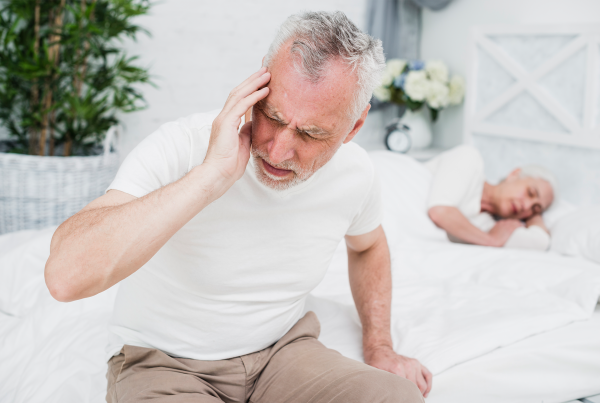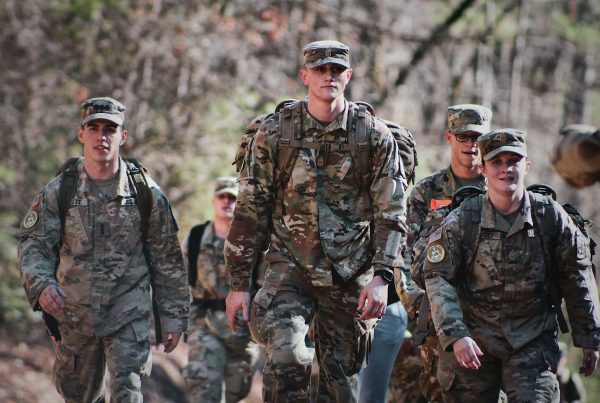
Anxiety disorders are among the most common service-connected mental health disabilities affecting veterans who receive VA disability compensation. Veterans developed anxiety disorders from military service—combat exposure, operational stress, traumatic events, military sexual trauma, and the psychological demands of military life cause chronic anxiety conditions affecting veterans. Many veterans experience persistent worry, panic attacks, social anxiety, and significant functional impairment from service-related anxiety disorders. This article explains how veterans develop service-connected anxiety disorders, how veterans can file disability claims, what disability ratings veterans receive, and how veterans can maximize compensation for anxiety disabilities.
How Veterans Develop Service-Connected Anxiety Disorders
Veterans develop anxiety disorders through various service-related pathways:
Combat and Operational Stress: The life-threatening stress of combat operations, constant threat environments, and the psychological demands of military service directly cause anxiety disorders in many veterans. Veterans who experienced firefights, IED explosions, ambushes, and other combat events during military service frequently develop generalized anxiety disorder, panic disorder, and other anxiety conditions from the chronic fear and hyperarousal of combat affecting the veteran.
Military Sexual Trauma: Veterans who experienced sexual assault or harassment during military service frequently develop anxiety disorders from the psychological trauma of military sexual trauma affecting the veteran. MST-related anxiety in veterans often coexists with PTSD and depression, creating a complex mental health profile requiring comprehensive disability claims affecting the veteran.
Traumatic Events During Service: Veterans who witnessed accidents, deaths, suicides, or other traumatic non-combat events during military service sometimes develop anxiety disorders from these psychological exposures affecting the veteran. Any significantly traumatic event during military service can form the basis for an anxiety disorder claim affecting the veteran.
Secondary Anxiety Disorders: Many veterans develop anxiety disorders secondary to other service-connected conditions. A veteran with service-connected chronic pain frequently develops anxiety from the unpredictable nature and functional limitations of pain affecting the veteran. A veteran with service-connected TBI commonly develops secondary anxiety from neurological damage affecting the veteran’s emotional regulation. These secondary anxiety conditions qualify for disability benefits affecting the veteran.
Separation and Transition Stress: Some veterans develop anxiety disorders from the significant psychological stress of military transition, loss of unit cohesion, and adjustment to civilian life following military service affecting the veteran. These transition-related anxiety conditions may qualify for service connection when the relationship to military service is documented affecting the veteran.
Medications and Physical Conditions: Veterans sometimes develop anxiety as a side effect of medications for service-connected physical conditions, or as a psychological response to life-threatening service-connected diagnoses such as cancer or heart disease affecting the veteran. These secondary anxiety conditions qualify for additional disability ratings affecting the veteran.
Types of Anxiety Disorders in Veterans
Veterans develop several distinct anxiety conditions from military service affecting the veteran:
Generalized Anxiety Disorder: The most common anxiety disorder in veterans beyond PTSD is generalized anxiety disorder — persistent, excessive worry about multiple life domains causing significant functional impairment affecting the veteran. Veterans with GAD experience chronic anxiety, muscle tension, sleep disruption, irritability, and difficulty concentrating from the pervasive worry affecting the veteran’s occupational and daily functioning.
Panic Disorder: Veterans with panic disorder experience recurrent unexpected panic attacks — sudden intense fear episodes with physical symptoms including racing heart, shortness of breath, chest pain, and dizziness affecting the veteran. These panic attacks in veterans cause significant distress and avoidance behaviors that substantially restrict the veteran’s daily activities and occupational functioning.
Social Anxiety Disorder: Veterans sometimes develop social anxiety disorder from the psychological effects of combat trauma, MST, or social withdrawal following military service affecting the veteran. Social anxiety in veterans causes significant avoidance of social and occupational situations, substantially impairing the veteran’s ability to maintain employment and relationships affecting the veteran.
Specific Phobias: Veterans with combat exposure sometimes develop specific phobias — intense fear responses to particular stimuli associated with military trauma affecting the veteran. These service-related phobias in veterans can significantly restrict daily activities and occupational functioning when phobic stimuli are common in civilian environments affecting the veteran.
Agoraphobia: Some veterans develop agoraphobia from panic disorder and trauma-related avoidance, causing fear of situations where escape might be difficult affecting the veteran. This agoraphobia in veterans severely restricts mobility and independence, significantly impairing the veteran’s ability to leave home and maintain occupational functioning.
Symptoms of Anxiety Disorders in Veterans
Veterans with anxiety disorders experience various symptoms affecting the veteran:
Persistent Worry and Fear: Veterans with generalized anxiety experience chronic, uncontrollable worry about multiple concerns including health, finances, relationships, and safety from the pervasive anxiety affecting the veteran. This persistent worry in the veteran consumes significant mental energy and disrupts occupational and daily functioning substantially.
Physical Anxiety Symptoms: Veterans with anxiety disorders experience physical symptoms including muscle tension, headaches, gastrointestinal disturbances, sweating, trembling, and fatigue from the physiological effects of chronic anxiety affecting the veteran. These physical symptoms in the veteran compound existing service-connected physical conditions and affect overall functional capacity.
Avoidance Behaviors: Veterans with anxiety disorders develop avoidance of feared situations, places, and activities that significantly restrict daily functioning and occupational capacity affecting the veteran. This avoidance in the veteran compounds PTSD-related avoidance and can severely limit the veteran’s ability to maintain employment and social relationships affecting the veteran.
Sleep Disturbances: Veterans with anxiety disorders experience chronic insomnia and disrupted sleep from hyperarousal and worry affecting the veteran’s rest. This sleep disruption compounds daytime cognitive impairment and mood disturbances further affecting the veteran’s functional capacity.
Cognitive Impairment: Veterans with significant anxiety experience difficulty concentrating, memory problems, and slowed processing from anxiety-related cognitive interference affecting the veteran’s occupational performance and daily functioning substantially.
Panic Attacks: Veterans with panic disorder experience sudden intense episodes of physical and psychological fear symptoms that are severely distressing and cause significant functional disruption affecting the veteran’s ability to maintain reliable occupational attendance and performance.
Service Connection for Veterans with Anxiety Disorders
Veterans establish service connection for anxiety disorders through direct service connection documenting a nexus between specific military service stressors and the veteran’s anxiety diagnosis, secondary service connection through service-connected PTSD, chronic pain, TBI, or other primary conditions causing secondary anxiety affecting the veteran, and aggravation claims when military service worsened preexisting anxiety vulnerabilities beyond natural progression affecting the veteran. Veterans should obtain a current anxiety disorder diagnosis from a licensed mental health provider and document the relationship between their military service experiences and anxiety symptoms affecting the veteran.
Disability Ratings for Veterans with Anxiety Disorders
The VA rates anxiety disorders in veterans using the General Rating Formula for Mental Disorders, identical to the rating scale used for PTSD, based on occupational and social impairment affecting the veteran.
- 0% Rating: Anxiety diagnosis confirmed but symptoms not severe enough to interfere with occupational and social functioning affecting the veteran.
- 10% Rating: Mild or transient anxiety symptoms that decrease work efficiency during periods of significant stress affecting the veteran.
- 30% Rating: Occasional decrease in work efficiency and intermittent inability to perform occupational tasks from anxiety, with the veteran generally functioning satisfactorily in routine situations affecting the veteran.
- 50% Rating: Reduced reliability and productivity from anxiety symptoms including panic attacks more than once weekly, difficulty with complex instructions, impaired memory, and difficulty maintaining effective work relationships affecting the veteran.
- 70% Rating: Occupational and social impairment with deficiencies in most areas from anxiety symptoms including near-continuous panic or anxiety affecting the veteran’s ability to function independently, impaired impulse control, and inability to maintain effective relationships affecting the veteran.
- 100% Rating: Total occupational and social impairment from severe anxiety symptoms causing complete inability to perform daily activities and maintain any occupational functioning affecting the veteran.
Filing and the C&P Exam for Anxiety Disorders
Veterans file for anxiety disorders using VA Form 21-526EZ, including mental health records documenting the anxiety diagnosis, therapy and psychiatry records treating the veteran, documentation of in-service stressor events causing anxiety, personal statements describing anxiety symptoms and their functional impact on the veteran’s occupational and social functioning, and buddy statements from people who have observed the veteran’s anxiety symptoms affecting daily functioning.
During the C&P exam, the VA mental health examiner assesses anxiety severity, symptom frequency, and occupational and social impairment. Veterans should describe their worst anxiety symptoms honestly and specifically document how anxiety affects their work performance, relationships, and daily activities without minimizing symptoms during the examination affecting the veteran’s rating accuracy.
Secondary Conditions in Veterans with Anxiety Disorders
Veterans with anxiety disorders should file for all secondary conditions including depression frequently co-occurring with anxiety in veterans, sleep disorders from anxiety-related hyperarousal affecting the veteran, gastrointestinal conditions including IBS from anxiety-related gut dysfunction affecting the veteran, cardiovascular conditions from chronic anxiety-related physiological stress affecting the veteran, and substance use disorders from self-medicating anxiety symptoms affecting the veteran. Each secondary condition receives separate disability ratings increasing the veteran’s overall compensation substantially.
Combining Anxiety Disorders with Other Veteran Disabilities
All conditions combine using the VA’s combined rating formula. Use our disability calculator at https://vetvalor.com/va-disability-calculator-2026/ to understand how your anxiety disorder rating combines with your other service-connected conditions as a veteran, showing your total combined rating and monthly compensation.
Treatment, Rating Increases, and Appeals
Veterans with anxiety disorders should establish regular care with VA mental health providers offering evidence-based anxiety treatments including cognitive behavioral therapy, exposure therapy, and medication management with SSRIs and SNRIs. Veterans should file for rating increases when anxiety symptoms worsen significantly, occupational impairment increases, panic attacks become more frequent, or the veteran’s ability to maintain employment is further compromised by anxiety affecting the veteran. If the VA denies an anxiety disorder claim, veterans can appeal by submitting mental health records confirming the diagnosis, obtaining nexus letters from psychiatrists or psychologists confirming service connection, providing detailed personal statements documenting specific in-service stressors and current functional impairment, and working with VA-accredited representatives experienced in mental health claims.
Conclusion
Anxiety disorders are serious service-connected disabilities affecting many veterans, significantly impairing occupational functioning, social relationships, and daily activities. Veterans who developed anxiety disorders from combat stress, military sexual trauma, traumatic events during service, or secondary to other service-connected conditions deserve full disability compensation. File for your anxiety disorder documenting specific in-service stressors and how anxiety affects your occupational and social functioning, and file for all secondary conditions caused by your anxiety disorder. Use our disability calculator at https://vetvalor.com/va-disability-calculator-2026/ to understand your total compensation when anxiety disorders combine with other veteran disabilities. As a veteran with service-connected anxiety, you deserve benefits fully recognizing the impact of your condition on your veteran life.