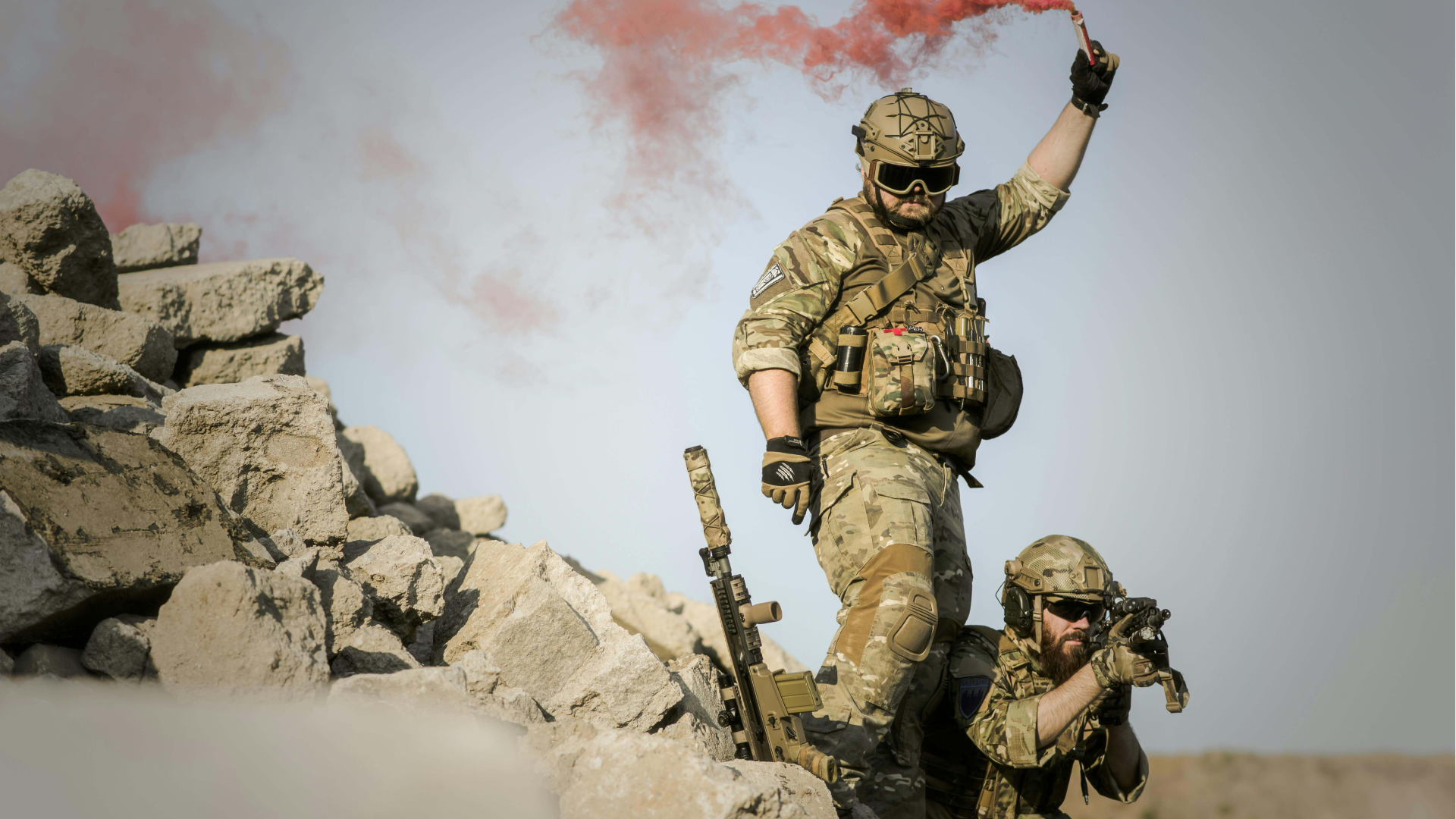
Anxiety disorders are prevalent disabilities among veterans, affecting thousands of veterans who receive VA disability compensation. Many veterans develop anxiety disorders as a direct result of military service, combat exposure, or service-related trauma. Some veterans experience debilitating anxiety that severely impacts the veteran’s ability to work and maintain relationships. Yet many veterans don’t realize they qualify for VA disability benefits for anxiety or don’t understand how the VA rates anxiety disorder in veterans. This comprehensive article explains how veterans develop service-connected anxiety, how veterans can file disability claims for anxiety, what disability ratings veterans with anxiety receive, and how veterans can maximize compensation for anxiety disorder disabilities.
How Veterans Develop Service-Connected Anxiety
Veterans develop anxiety disorders through various service-related pathways:
Combat Exposure: Veterans exposed to combat develop anxiety from the stress and fear experienced during the veteran’s combat service. Combat-related anxiety in veterans can manifest as generalized anxiety or specific anxiety triggers related to the veteran’s combat experiences.
Traumatic Incidents: Veterans who experienced or witnessed traumatic events during military service frequently develop anxiety disorders. The traumatic incident affects the veteran, creating anxiety that persists long after the veteran’s service ends.
Military Sexual Trauma (MST): Veterans who experienced sexual assault or harassment during military service frequently develop anxiety as a result of MST. This trauma-related anxiety in veterans significantly impacts the veteran’s functioning.
Stress from Military Service: The cumulative stress of military service contributes to anxiety development in many veterans. The demanding, high-stress environment of military service creates lasting anxiety affecting the veteran even after discharge.
Service-Connected Secondary Anxiety: Many veterans develop anxiety secondary to other service-connected conditions. A veteran with PTSD may develop generalized anxiety disorder. A veteran with chronic pain conditions may develop anxiety about the veteran’s condition. These secondary anxiety disorders in veterans qualify for disability benefits.
Environmental Factors: Veterans exposed to certain environmental conditions, chemicals, or substances during military service may develop anxiety as a physiological response. Some veterans’ anxiety develops from occupational exposures affecting the veteran’s neurological functioning.
Types of Anxiety Disorders in Veterans
Veterans experience various types of anxiety disorders qualifying for disability benefits:
Generalized Anxiety Disorder (GAD): Veterans with GAD experience persistent worry and anxiety about multiple aspects of the veteran’s life. The anxiety is difficult for the veteran to control and affects the veteran’s daily functioning, sleep, and work performance.
Social Anxiety Disorder: Some veterans develop social anxiety, experiencing intense fear in social situations. This anxiety in veterans makes it difficult for the veteran to interact with others, affecting the veteran’s occupational and social functioning.
Panic Disorder: Veterans with panic disorder experience sudden, unexpected panic attacks causing severe physical symptoms and fear in the veteran. These panic episodes severely disrupt the veteran’s functioning and can be extremely disabling for the veteran.
Specific Phobias: Some veterans develop specific phobias related to their service. A veteran might develop a phobia of flying, loud noises, or other stimuli associated with the veteran’s military trauma. These phobias affect the veteran’s functioning and occupational capacity.
Anxiety Secondary to Other Conditions: Many veterans develop anxiety as a secondary condition. A veteran with PTSD may have comorbid anxiety. A veteran with chronic pain may develop anxiety. These secondary anxiety disorders in veterans are common and qualify for separate disability ratings.
Service Connection for Veterans with Anxiety
Veterans can establish service connection for anxiety disorders through several pathways:
Direct Service Connection: Veterans with anxiety caused by combat exposure, traumatic military incidents, or MST can establish direct service connection. The veteran must show that anxiety resulted from the service-related event and that the veteran currently has an anxiety disorder diagnosis.
Secondary Service Connection: Many veterans establish service connection for anxiety as a secondary condition to PTSD, depression, TBI, or other service-connected conditions. Veterans show how their primary service-connected condition causes or aggravates the veteran’s anxiety disorder.
Presumptive Service Connection: While less common for anxiety than for PTSD, some veterans may qualify for presumptive anxiety benefits under certain presumptive programs. Veterans exposed to specific environmental hazards may have presumptive anxiety-related conditions.
Disability Ratings for Veterans with Anxiety
The VA rates anxiety disorders in veterans based on severity and functional impact. Anxiety ratings in veterans range from 0% to 100%, though most veterans with anxiety receive ratings between 10% and 50%.
0-10% Rating for Veterans: Veterans at this level have diagnosed anxiety with minimal functional impairment. The veteran experiences occasional anxiety symptoms that don’t substantially limit the veteran’s work or daily functioning.
20-30% Rating for Veterans: Veterans receiving 20-30% for anxiety have noticeable anxiety symptoms affecting the veteran’s functioning. The veteran experiences anxiety regularly and it impacts the veteran’s work performance, relationships, and daily activities in a mild to moderate way.
40-50% Rating for Veterans: Veterans with a 40-50% anxiety rating have substantial anxiety significantly limiting the veteran’s functioning. The veteran’s anxiety substantially affects occupational capacity and the veteran experiences significant difficulty with work and relationships.
60% and Higher Rating for Veterans: Veterans receiving 60% or higher for anxiety have severe anxiety substantially preventing the veteran from working or functioning in society. These higher ratings reflect anxiety so severe the veteran is significantly disabled by the veteran’s condition.
Filing for Anxiety Disability Benefits as a Veteran
To file for VA disability benefits for anxiety, veterans submit VA Form 21-0960 (Application for Disability Compensation) indicating anxiety as the claimed condition.
Veterans filing for anxiety should include:
- Medical records documenting the veteran’s anxiety disorder diagnosis
- Clinical notes from mental health providers describing the veteran’s anxiety symptoms
- Records showing the veteran’s anxiety treatment history
- A personal statement from the veteran describing the veteran’s anxiety symptoms and how anxiety affects the veteran’s daily life, work, and relationships
- If filing for secondary anxiety, medical evidence showing how the veteran’s primary service-connected condition causes the veteran’s anxiety
- Information about when the veteran’s anxiety began and what triggered the veteran’s anxiety development
Veterans should clearly explain whether the veteran is filing for direct service connection (anxiety caused directly by military service) or secondary service connection (anxiety caused by another service-connected condition affecting the veteran).
The Compensation and Pension Exam for Veterans with Anxiety
When veterans file for anxiety disability, the VA typically schedules a Compensation and Pension exam with a psychiatrist or psychologist. During the veteran’s exam, the VA examiner will:
- Review the veteran’s medical records and anxiety history
- Ask the veteran detailed questions about anxiety symptoms the veteran experiences
- Inquire about situations triggering the veteran’s anxiety
- Assess functional limitations caused by the veteran’s anxiety
- Evaluate the veteran’s occupational and social functioning affected by anxiety
- Perform mental status assessment documenting the veteran’s anxiety presentation
Veterans should prepare for the veteran’s exam by being honest about anxiety symptoms affecting the veteran, describing specific situations that trigger the veteran’s anxiety, and explaining how the veteran’s anxiety impacts the veteran’s ability to work and maintain relationships.
Evidence Supporting Veteran Anxiety Claims
Building a strong anxiety disability claim requires comprehensive evidence:
- Mental health treatment records documenting the veteran’s anxiety diagnosis
- Prescriptions for anxiety medications taken by the veteran
- Clinical notes from therapists or psychiatrists treating the veteran for anxiety
- A description from the veteran of anxiety symptoms the veteran experiences
- Information about how the veteran’s anxiety affects the veteran’s work performance
- Statements from family members or employers describing the veteran’s anxiety impact on the veteran
- Medical provider letters confirming the veteran’s anxiety diagnosis and severity
- Documentation of any hospitalizations for anxiety affecting the veteran
The more detailed evidence the veteran provides about the veteran’s anxiety symptoms and functional impact affecting the veteran, the stronger the veteran’s disability claim.
Secondary Conditions in Veterans with Anxiety
Veterans should file claims for conditions secondary to their anxiety:
Sleep Disorders: Veterans with anxiety often develop sleep problems from the veteran’s anxiety preventing restful sleep. Secondary sleep disorders in veterans can receive separate disability ratings.
Depression: Many veterans develop depression secondary to chronic anxiety affecting the veteran. Secondary depression in veterans qualifies for separate rating.
Substance Use Disorders: Some veterans develop substance abuse issues as the veteran attempts to self-medicate anxiety. While substance abuse itself may not be service-connected, anxiety causing substance problems may warrant consideration of secondary effects.
Physical Health Conditions: Chronic anxiety in veterans can manifest as physical symptoms including headaches, gastrointestinal problems, or muscle tension in the veteran. These secondary physical effects of anxiety in veterans can sometimes be rated as separate conditions.
These secondary conditions increase the veteran’s combined disability rating, potentially significantly increasing the veteran’s total compensation.
Combining Anxiety with Other Veteran Disabilities
Many veterans have anxiety combined with other service-connected conditions. For example, a veteran might have a 50% rating for PTSD and a 20% rating for secondary anxiety disorder, plus additional disabilities.
All conditions in veterans combine using the VA’s combined rating formula to determine the veteran’s total disability rating. Use our disability calculator at https://vetvalor.com/va-disability-calculator-2025/ to understand exactly how your anxiety rating combines with your other service-connected conditions as a veteran. The calculator shows veterans their total combined rating and monthly compensation.
Rating Increases for Veterans with Worsening Anxiety
Veterans whose anxiety worsens or whose functioning declines should file for rating increases. Anxiety disorders in veterans can worsen over time, particularly if the veteran’s life circumstances create additional stress or if the veteran’s original anxiety triggers become active again.
Veterans should file for rating increases when:
- The veteran’s anxiety symptoms become more severe or frequent
- The veteran’s anxiety increasingly impacts the veteran’s ability to work
- The veteran develops new anxiety manifestations affecting the veteran
- The veteran’s anxiety requires increased medication or treatment intensity
When filing for a rating increase, veterans should submit updated medical evidence showing the veteran’s worsened anxiety condition and how the veteran’s anxiety now affects the veteran more significantly.
Use our disability calculator at https://vetvalor.com/va-disability-calculator-2025/ to see how an anxiety rating increase would affect your combined rating and total compensation as a veteran.
Understanding Your Anxiety Disability Compensation
A veteran’s anxiety disability compensation depends on the veteran’s anxiety rating and any other service-connected conditions the veteran has. Use our disability calculator at https://vetvalor.com/va-disability-calculator-2025/ to determine:
- Your combined rating including anxiety and other disabilities affecting the veteran
- Your monthly compensation based on your disability ratings
- How an anxiety rating increase would affect your total compensation as a veteran
- How anxiety combines with other service-connected conditions affecting you as a veteran
The calculator helps veterans understand their total compensation when anxiety combines with other disabilities affecting the veteran.
Anxiety Management While Receiving VA Benefits
Veterans with service-connected anxiety should establish regular care with VA mental health providers. The VA offers veterans:
- Psychiatric medication management for anxiety affecting the veteran
- Evidence-based psychotherapy for anxiety disorders in veterans (like Cognitive Behavioral Therapy)
- Group therapy for veterans with anxiety related to combat or trauma
- Crisis intervention services for veterans experiencing severe anxiety
Veterans should maintain regular VA mental health care both for treatment and to create medical documentation supporting disability ratings and potential rating increase claims for the veteran.
Individual Unemployability and Severe Anxiety in Veterans
Some veterans with severe anxiety may not be able to work despite having anxiety ratings below 100%. These veterans may qualify for Individual Unemployability (IU), which provides 100% disability compensation based on occupational inability rather than rating percentage alone.
Veterans with severe anxiety affecting occupational capacity should consider filing for IU. IU provides maximum VA disability compensation to veterans who cannot maintain employment due to service-connected disabilities.
Appealing Denied Anxiety Claims for Veterans
If the VA denies a veteran’s anxiety claim, the veteran can appeal. Many veterans successfully overturn denials by:
- Submitting additional mental health records documenting the veteran’s anxiety
- Obtaining detailed statements from mental health providers supporting the veteran’s anxiety disability claim
- Working with a VA-accredited representative who understands anxiety disorder claims
- Filing for secondary anxiety if the veteran’s primary service-connected condition was approved
- Requesting a higher-level review or appealing to the Board of Veterans’ Appeals
Don’t accept a denied anxiety claim without appeal—many veterans successfully obtain anxiety disability benefits through persistent appeals and proper documentation.
Conclusion
Anxiety disorders are service-connected disabilities affecting many veterans, though sometimes overlooked by veterans unfamiliar with VA benefits. Veterans who developed anxiety from military service, combat exposure, military trauma, or service-connected conditions deserve disability compensation. If you’re a veteran with anxiety, file a disability claim documenting your condition and how anxiety affects your functioning. File for secondary anxiety if your primary service-connected condition causes the veteran’s anxiety. Maintain regular VA mental health care and document your anxiety symptoms and functional impact. Use our disability calculator at https://vetvalor.com/va-disability-calculator-2025/ to understand your combined rating and total compensation when anxiety combines with other veteran disabilities. As a veteran with service-connected anxiety, you deserve disability benefits recognizing your condition and compensating you for the functional impact on your veteran life. Your military service and the anxiety resulting from that service deserve full recognition through VA disability benefits.