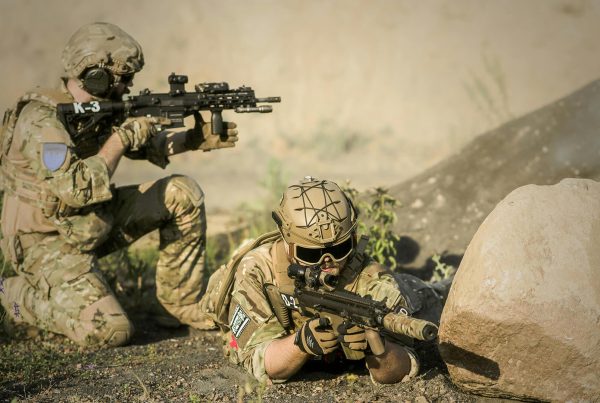
Hearing loss and tinnitus are the two most prevalent disabilities among veterans receiving VA disability compensation. More veterans claim benefits for hearing loss and tinnitus than for any other condition, including PTSD. The constant noise of military service—from aircraft, weapons fire, machinery, and explosions—damages the delicate structures of the veteran’s inner ear, often permanently. Many veterans don’t realize how significant their veteran hearing loss is until after military service ends. This article explains why hearing loss is so common among veterans, how veterans can file successful disability claims, and what compensation veterans with hearing loss can expect.
Why Veterans Experience Hearing Loss and Tinnitus
Military service exposes veterans to noise levels far exceeding those experienced in civilian life. Combat veterans hear the noise of weapons fire—rifle shots register at 150-190 decibels, while artillery and explosions can exceed 190 decibels. Aircraft mechanics and flight crews experience constant exposure to jet engine noise. Military vehicle operators are exposed to engine noise for hours daily.
Even training activities expose veterans to damaging noise levels. Basic training includes rifle qualification and explosives training. Throughout a veteran’s military career, occupational duties expose the veteran to hazardous noise.
Hearing damage from noise exposure is cumulative and often permanent. A veteran exposed to high noise levels during military service may experience gradual hearing loss that worsens over years. Tinnitus—the ringing, buzzing, or roaring sensation in the ears—commonly accompanies or follows noise-induced hearing loss.
Many veterans don’t initially recognize their hearing loss because it develops gradually. A veteran might notice that the veteran needs to turn up the television or ask people to repeat themselves, but attribute these changes to normal aging rather than service-related hearing damage.
The Veteran’s Right to Hearing Loss Disability Benefits
The VA recognizes that hearing loss is an occupational hazard of military service. Almost all veterans with significant hearing loss can establish service connection, as the veteran’s condition almost certainly resulted from military service noise exposure.
Unlike some disabilities where a veteran must prove service connection to a specific incident, hearing loss in veterans is so commonly caused by military service that establishing service connection is usually straightforward. A veteran must show that the veteran has current hearing loss and that military service likely caused the veteran’s hearing loss—and for most veterans with occupational hearing loss, this is apparent.
Many veterans believe they need documented hearing tests from military service to establish service connection. However, a veteran can successfully claim hearing loss disability even without military-era hearing documentation. A veteran’s current hearing test showing hearing loss combined with the veteran’s military occupational history is often sufficient evidence for a veteran to establish service connection.
How the VA Rates Hearing Loss in Veterans
The VA rates hearing loss in veterans using a specific formula based on the veteran’s audiogram results. An audiogram is a test that measures the veteran’s hearing at different frequencies.
To rate a veteran’s hearing loss, the VA uses the values from the veteran’s audiogram at specific frequencies (500, 1000, 2000, and 3000 hertz). The VA calculates an average of the veteran’s hearing thresholds at these frequencies—essentially determining how much sound a veteran must hear to detect it.
The VA rating scale for veteran hearing loss ranges from 0% to 100%, though most veterans with hearing loss receive ratings between 0% and 50%. A veteran with very severe bilateral (both ears) hearing loss might receive a 60% rating, though ratings above 60% for hearing loss alone are rare.
Importantly, the VA rates each veteran’s ears separately and then combines the ratings. A veteran with more severe hearing loss in one ear receives a lower overall rating than a veteran with equal hearing loss in both ears.
Specific VA Hearing Loss Ratings for Veterans
0% Veteran Hearing Disability Rating: A veteran at this level has some hearing loss but it’s so minimal that it doesn’t substantially affect the veteran’s ability to hear conversational speech. The veteran can hear everyday sounds and participate in normal conversations, though the veteran may need to turn up the veteran’s television slightly. Veterans at this level still qualify for VA healthcare but don’t receive monthly disability compensation.
10% Veteran Hearing Disability Rating: A veteran receiving 10% for hearing loss has noticeable hearing loss but can still participate in most conversations in quiet environments. The veteran might miss some speech sounds and need occasional repetition. This veteran rating is more common and represents mild bilateral hearing loss affecting the veteran’s ability to hear high-frequency sounds.
20% Veteran Hearing Disability Rating: A veteran with a 20% hearing loss rating experiences difficulty hearing in noisy environments and may miss parts of conversations even in quiet settings. The veteran might need people to speak louder or more clearly. This veteran hearing disability significantly affects the veteran’s occupational and social functioning in some situations.
30% Veteran Hearing Disability Rating: A veteran at this level has substantial bilateral hearing loss affecting the veteran’s ability to hear conversational speech even in quiet environments. The veteran often needs people to repeat themselves and may have difficulty using a telephone. This veteran rating indicates the veteran has significant difficulty with communication.
40% Veteran Hearing Disability Rating: A veteran receiving 40% experiences severe hearing loss affecting the veteran’s ability to hear normal conversation. The veteran has significant communication difficulties and may benefit substantially from hearing aids.
50% Veteran Hearing Disability Rating: A veteran at this level has very severe bilateral hearing loss. The veteran has profound difficulty hearing conversational speech and significantly impaired communication ability. This veteran rating reflects hearing loss so severe that the veteran struggles to communicate with others.
Tinnitus Disability Benefits for Veterans
Tinnitus—persistent ringing, buzzing, roaring, or hissing in the veteran’s ears—is rated separately from hearing loss. Many veterans experience both hearing loss and tinnitus as a result of the same noise exposure during military service.
Unlike hearing loss, which the VA rates based on audiogram values, tinnitus is rated primarily based on the veteran’s subjective report and how the veteran’s tinnitus affects the veteran’s functioning. The VA recognizes that tinnitus can severely impact a veteran’s sleep, concentration, and mental health.
The VA typically rates tinnitus at either 10% or 20%. A veteran receiving 10% for tinnitus has noticeable tinnitus that the veteran can tolerate with normal daily activities. A veteran receiving 20% for tinnitus has tinnitus significantly affecting the veteran’s sleep, concentration, or emotional stability.
Many veterans with severe tinnitus find the 10% or 20% rating insufficient to reflect how much their veteran tinnitus impacts their functioning. However, these are the only available ratings for tinnitus alone, though if the veteran’s tinnitus contributes to other conditions (such as anxiety or sleep disorders), those secondary conditions can receive separate ratings.
Filing a Hearing Loss Disability Claim
To file a veteran hearing loss disability claim, a veteran should submit VA Form 21-0960E-1 (for hearing loss) along with the veteran’s application for disability compensation.
The veteran should include:
Current hearing test results showing the veteran’s hearing loss. If a veteran hasn’t had a recent hearing test, the veteran can request one through the VA. The VA will typically provide a hearing test as part of the veteran’s Compensation and Pension exam. The veteran’s military service history, particularly the veteran’s occupational duties involving noise exposure. Any military medical records documenting the veteran’s hearing problems or hearing protection issues during service. The veteran’s own statement describing when the veteran first noticed the veteran’s hearing loss and how the veteran’s hearing disability affects the veteran’s daily life, work, and relationships.
Veterans filing for tinnitus should include a description of the veteran’s tinnitus symptoms and how the veteran’s tinnitus affects the veteran’s sleep, concentration, and emotional state.
Getting a Hearing Test
Many veterans don’t have recent hearing tests, especially if they haven’t been regularly treated at the VA. A veteran can request a hearing test in several ways:
A veteran can request an audiological evaluation through the VA. The veteran can visit a VA medical center and ask for a hearing test. A veteran can undergo a hearing test at a private audiology clinic—while the VA won’t pay for private hearing tests in most cases, having a private hearing test result is helpful for a veteran’s claim, and some communities offer free hearing tests through public health programs.
When the veteran undergoes a hearing test as part of the veteran’s Compensation and Pension exam, the VA will conduct a formal audiogram that will be used to rate the veteran’s disability.
Hearing Aids and Additional Veteran Benefits
Veterans receiving VA disability compensation for hearing loss qualify for free hearing aids through the VA, regardless of their rating percentage. This is a substantial benefit for veterans—civilian hearing aids cost hundreds or thousands of dollars, but the VA provides them at no cost to veteran beneficiaries.
Veterans should take advantage of this benefit. A veteran with hearing loss should visit an VA audiology clinic to receive a hearing test and hearing aid fitting. Many veterans find that hearing aids significantly improve their quality of life, communication ability, and occupational functioning.
Building a Strong Veteran Hearing Loss Claim
To build the strongest possible veteran hearing loss disability claim, a veteran should:
Obtain a current hearing test. This is the most critical piece of evidence. A veteran’s current audiogram is the foundation of the veteran’s hearing loss claim. Get current medical records documenting the veteran’s hearing loss. If a veteran has been treated at the VA for hearing-related issues, request those records. If a veteran’s private provider has records about the veteran’s hearing loss, include those. Document the veteran’s military occupational history. A veteran should provide a detailed account of the veteran’s military occupational duties that exposed the veteran to loud noise. For example: “I served as an aircraft mechanic exposed to jet engine noise for 8 hours daily during a 4-year enlistment.” Provide a personal statement describing the veteran’s hearing loss impact. A veteran should explain how the veteran’s hearing disability affects the veteran’s work performance, relationships, and daily functioning. Submit any military documents related to hearing protection or hearing issues during service.
Common Reasons Veteran Hearing Loss Claims Are Denied
Veteran hearing claims are rarely completely denied because hearing loss is so clearly service-connected. However, sometimes veterans receive lower ratings than expected. Common reasons include:
Insufficient hearing test documentation. A veteran must have a current audiogram showing the veteran’s hearing loss. If the veteran’s hearing test is outdated or incomplete, the VA might delay the veteran’s claim pending a new hearing test. Discrepancy between the veteran’s statement and test results. If a veteran describes profound hearing loss but the veteran’s audiogram shows mild loss, the VA becomes skeptical. Conversely, if the veteran’s hearing test shows substantial loss but the veteran reports minimal functional impairment, the VA might rate the veteran’s claim based on the objective test results rather than the veteran’s subjective report.
Conclusion
Hearing loss and tinnitus are the most common disabilities among veterans—and they’re also among the most straightforward to claim. Most veterans with hearing loss can establish service connection and receive disability compensation. If a veteran served in a military occupational specialty involving noise exposure and now has hearing loss, the veteran likely qualifies for benefits. A veteran should obtain a hearing test, gather military records, and file a veteran hearing loss disability claim. The VA recognizes that military service damages veterans’ hearing, and hearing loss compensation is available to veterans who have earned it through their service.