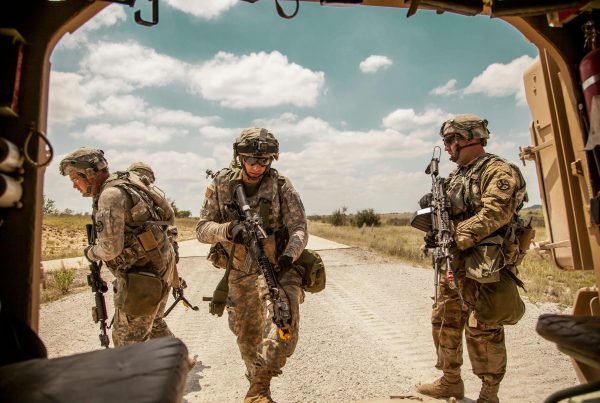
Peripheral neuropathy is a significant service-connected disability affecting many veterans who receive VA disability compensation. Veterans developed peripheral neuropathy from military service—Agent Orange exposure, toxic chemicals, diabetes, spinal injuries, nutritional deficiencies during deployment, and other service-related factors cause nerve damage affecting veterans. Many veterans experience chronic numbness, tingling, burning pain, and significant functional impairment from service-related peripheral neuropathy. Yet many veterans don’t realize they qualify for VA disability benefits for peripheral neuropathy or don’t understand how the VA rates nerve damage conditions in veterans. This article explains how veterans develop service-connected peripheral neuropathy, how veterans can file disability claims for nerve damage, what disability ratings veterans with peripheral neuropathy receive, and how veterans can maximize compensation for neuropathy disabilities.
How Veterans Develop Service-Connected Peripheral Neuropathy
Veterans develop peripheral neuropathy through various service-related pathways:
Agent Orange Exposure: One of the strongest pathways for service-connected peripheral neuropathy in veterans is Agent Orange exposure. The VA recognizes early-onset peripheral neuropathy as a presumptive condition for veterans exposed to Agent Orange or other herbicides during military service. Veterans who served in Vietnam and other Agent Orange exposure locations and developed peripheral neuropathy qualify for presumptive service connection affecting the veteran without needing to prove a direct causal link.
Diabetic Neuropathy: Veterans with service-connected Type 2 diabetes frequently develop diabetic peripheral neuropathy as a secondary condition from the vascular and neurological damage caused by the veteran’s diabetes. Diabetic neuropathy in veterans is one of the most commonly claimed secondary conditions, causing chronic pain, numbness, and functional impairment in the veteran’s extremities. Veterans with service-connected diabetes should file separately for diabetic neuropathy affecting each extremity to maximize the veteran’s combined disability rating.
Spinal Cord and Nerve Root Injuries: Veterans with service-connected spinal injuries frequently develop radiculopathy and peripheral neuropathy from nerve compression and damage affecting the veteran’s peripheral nervous system. Spinal-related neuropathy in veterans qualifies for secondary service connection and separate disability ratings per affected extremity affecting the veteran.
Toxic Chemical Exposures: Veterans exposed to certain neurotoxic chemicals, heavy metals, solvents, and pesticides during military service sometimes developed peripheral neuropathy from the toxic effects on the veteran’s peripheral nervous system. Chemical-induced neuropathy in veterans may qualify for direct or presumptive service connection under PACT Act provisions affecting the veteran.
Gulf War Illness: Veterans who served in Southwest Asia during the Gulf War era sometimes develop peripheral neuropathy as part of Gulf War illness. The VA recognizes peripheral neuropathy as a condition potentially qualifying for Gulf War presumptive service connection affecting the veteran.
Nutritional Deficiencies During Deployment: Some veterans developed peripheral neuropathy from nutritional deficiencies during prolonged deployments or prisoner of war experiences affecting the veteran. Nutritional deficiency neuropathy in veterans qualifies for direct service connection when documented during the veteran’s military service.
Secondary to Medications: Veterans taking certain medications for service-connected conditions sometimes develop peripheral neuropathy as a medication side effect affecting the veteran’s nervous system. These medication-induced neuropathy cases in veterans qualify for secondary service connection.
Symptoms of Peripheral Neuropathy in Veterans
Veterans with peripheral neuropathy experience various symptoms affecting the veteran:
Numbness and Tingling: The most common symptoms of peripheral neuropathy in veterans are numbness and tingling in the affected extremities. The veteran experiences persistent or intermittent numbness and tingling in the feet, legs, hands, or arms from nerve damage affecting the veteran’s peripheral nervous system.
Burning Pain: Veterans with peripheral neuropathy frequently experience chronic burning pain in affected extremities. This neuropathic burning pain in the veteran is often severe and significantly affects the veteran’s daily functioning, sleep, and occupational capacity.
Weakness: Veterans with significant peripheral neuropathy develop muscle weakness in affected extremities from motor nerve damage affecting the veteran. This weakness in the veteran’s extremities affects mobility, grip strength, and functional capacity significantly.
Balance Problems: Veterans with peripheral neuropathy in the lower extremities frequently develop balance problems and fall risk from impaired sensory feedback affecting the veteran’s proprioception. This balance impairment in the veteran creates significant safety risks and restricts daily activities.
Sensitivity to Touch: Veterans with peripheral neuropathy sometimes experience allodynia—extreme sensitivity to touch where normally non-painful stimuli cause significant pain affecting the veteran. This hypersensitivity in the veteran significantly affects comfort and daily functioning.
Temperature Sensitivity: Veterans with peripheral neuropathy sometimes experience abnormal temperature sensitivity in affected extremities from the nerve damage affecting the veteran’s sensory function. This temperature dysregulation in the veteran causes discomfort and affects daily activities.
Coordination Difficulties: Veterans with peripheral neuropathy in the hands experience difficulty with fine motor tasks including writing, buttoning clothing, and handling small objects affecting the veteran’s occupational functioning and daily activities.
Service Connection for Veterans with Peripheral Neuropathy
Veterans can establish service connection for peripheral neuropathy through several pathways:
Presumptive Service Connection for Agent Orange Veterans: Veterans who served in Vietnam or other Agent Orange exposure locations and developed peripheral neuropathy qualify for presumptive service connection. The veteran needs documentation of qualifying service and a current peripheral neuropathy diagnosis. Early-onset peripheral neuropathy that manifested to at least 10% disabling within one year of last Agent Orange exposure receives presumptive service connection for the veteran.
Secondary Service Connection: The most common pathway for peripheral neuropathy claims in veterans today is secondary service connection through service-connected diabetes, spinal injuries, or other primary conditions causing the veteran’s neuropathy. Veterans need a current neuropathy diagnosis, a service-connected primary condition, and a nexus establishing that the primary condition caused the veteran’s peripheral neuropathy.
Direct Service Connection: Veterans can establish direct service connection by showing that peripheral neuropathy resulted directly from toxic chemical exposure, nutritional deficiency, or other documented military service causes affecting the veteran’s peripheral nervous system.
PACT Act Presumptive Conditions: Veterans exposed to burn pits or neurotoxic chemicals during military service may qualify for presumptive peripheral neuropathy under PACT Act provisions, eliminating the need to prove direct causation affecting the veteran.
Disability Ratings for Veterans with Peripheral Neuropathy
The VA rates peripheral neuropathy in veterans based on the degree of nerve damage and functional impairment in affected extremities. The VA rates neuropathy separately for each affected extremity, with ratings varying based on whether the veteran has mild, moderate, moderately severe, or severe neuropathy affecting the veteran.
Mild Peripheral Neuropathy (10% per extremity): Veterans with mild neuropathy causing minor sensory symptoms with minimal functional impairment affecting the veteran’s extremity function.
Moderate Peripheral Neuropathy (20% per extremity): Veterans with moderate neuropathy causing significant sensory symptoms and some functional impairment affecting the veteran’s ability to use the affected extremity effectively.
Moderately Severe Peripheral Neuropathy (40% per extremity): Veterans with moderately severe neuropathy causing substantial sensory and motor impairment significantly affecting the veteran’s functional capacity in the affected extremity.
Severe Peripheral Neuropathy (60% per extremity): Veterans with severe neuropathy causing marked motor and sensory loss with significant functional impairment affecting the veteran’s ability to use the affected extremity for normal activities.
Complete Paralysis (80-100% per extremity): Veterans with complete peripheral neuropathy causing paralysis or complete loss of function in affected extremities receive the highest ratings for the veteran’s neuropathy condition.
Combined Extremity Ratings: Because peripheral neuropathy often affects multiple extremities simultaneously, veterans can receive separate ratings for each affected extremity that combine to substantially increase the veteran’s overall combined disability rating. A veteran with bilateral lower extremity neuropathy from diabetes might receive separate ratings for the right leg and left leg, both combining through the VA’s combined rating formula to significantly increase the veteran’s total compensation.
Filing for Peripheral Neuropathy Disability Benefits as a Veteran
To file for VA disability benefits for peripheral neuropathy, veterans submit VA Form 21-526EZ indicating peripheral neuropathy and the specific affected extremities as claimed conditions.
Veterans filing for peripheral neuropathy should include:
- Medical records documenting the veteran’s peripheral neuropathy diagnosis
- Nerve conduction study results objectively documenting the veteran’s nerve damage
- Electromyography results if the veteran has motor nerve involvement from neuropathy
- Records of Agent Orange exposure or qualifying service for presumptive claims affecting the veteran
- If filing for secondary neuropathy, medical evidence showing how the veteran’s primary service-connected diabetes or spinal condition causes the veteran’s neuropathy
- A personal statement describing how peripheral neuropathy affects the veteran’s daily functioning, balance, and occupational capacity
- Documentation of all extremities affected by the veteran’s peripheral neuropathy
- Records of treatments the veteran has tried for neuropathic pain management
Veterans should file separate claims for neuropathy affecting each extremity, as separate ratings per extremity significantly increase the veteran’s combined disability rating compared to a single neuropathy claim.
The Compensation and Pension Exam for Veterans with Peripheral Neuropathy
When veterans file for peripheral neuropathy disability, the VA schedules a Compensation and Pension exam. During the veteran’s exam, the VA examiner will:
- Review the veteran’s medical records and neuropathy history
- Conduct neurological examination assessing sensory and motor function in affected extremities
- Review nerve conduction study results documenting the veteran’s nerve damage
- Assess the veteran’s strength, sensation, and reflexes in affected extremities
- Ask about pain, numbness, tingling, and functional limitations affecting the veteran
- Evaluate balance problems and fall risk from the veteran’s neuropathy
- Document how peripheral neuropathy affects the veteran’s daily functioning and occupational capacity
Veterans should prepare for the exam by accurately describing all neuropathic symptoms in every affected extremity, documenting balance problems and fall incidents, and describing how neuropathy affects the veteran’s ability to walk, stand, grip, and perform daily tasks.
Secondary Conditions in Veterans with Peripheral Neuropathy
Veterans should file claims for conditions secondary to their peripheral neuropathy:
Depression and Anxiety: Veterans with chronic neuropathic pain frequently develop depression and anxiety from the persistent pain burden affecting the veteran. Secondary mental health conditions from neuropathy in veterans qualify for separate disability ratings.
Sleep Disorders: Veterans whose neuropathic pain disrupts sleep may develop secondary sleep disorders from chronic pain affecting the veteran’s rest. Sleep problems in veterans from neuropathy can receive separate disability ratings.
Falls and Secondary Injuries: Veterans with neuropathy-related balance problems sometimes sustain secondary injuries from falls affecting the veteran. Secondary orthopedic conditions from neuropathy-related falls in veterans may qualify for separate consideration.
Foot Conditions: Veterans with severe lower extremity neuropathy develop secondary foot conditions including ulcers and structural problems from impaired sensation affecting the veteran’s foot health. Secondary foot conditions in veterans from neuropathy may qualify for separate ratings.
These secondary conditions increase the veteran’s combined disability rating substantially.
Combining Peripheral Neuropathy with Other Veteran Disabilities
Many veterans have peripheral neuropathy combined with diabetes, spinal injuries, and other service-connected conditions. All conditions combine using the VA’s combined rating formula to determine the veteran’s total disability rating. Use our disability calculator at https://vetvalor.com/va-disability-calculator-2026/ to understand exactly how your peripheral neuropathy ratings combine with your other service-connected conditions as a veteran. The calculator shows veterans their total combined rating and monthly compensation.
Rating Increases for Veterans with Worsening Peripheral Neuropathy
Veterans whose peripheral neuropathy worsens over time should file for rating increases when nerve damage progresses, functional impairment increases, or new extremities become affected by the veteran’s neuropathy. Submit updated nerve conduction studies and neurological examination results documenting the veteran’s worsened neuropathy when filing for rating increases.
Use our disability calculator at https://vetvalor.com/va-disability-calculator-2026/ to see how neuropathy rating increases would affect your combined rating and total compensation as a veteran.
Peripheral Neuropathy Treatment and Management for Veterans
Veterans with service-connected peripheral neuropathy should establish regular care with VA neurologists or primary care providers knowledgeable about neuropathy management. The VA offers veterans nerve conduction studies and electromyography for diagnostic evaluation, medication management for neuropathic pain including gabapentin, pregabalin, duloxetine, and tricyclic antidepressants, physical therapy for strength and balance rehabilitation, assistive devices including orthotics and walking aids for the veteran, and complementary approaches including acupuncture for neuropathic pain management. Veterans should maintain regular VA neurology care both for treatment and to create medical documentation supporting disability ratings and potential rating increase claims for the veteran’s peripheral neuropathy.
Appealing Denied Peripheral Neuropathy Claims for Veterans
If the VA denies a veteran’s peripheral neuropathy claim, the veteran can appeal by submitting nerve conduction study results objectively documenting nerve damage, obtaining nexus letters from neurologists confirming service connection, working with a VA-accredited representative experienced in neuropathy claims, filing under Agent Orange or PACT Act presumptive provisions if eligible, and filing secondary neuropathy claims if the veteran’s primary diabetes or spinal condition was approved. Don’t accept a denied neuropathy claim without appeal — many veterans successfully obtain peripheral neuropathy disability benefits after appealing initial denials.
Conclusion
Peripheral neuropathy is a serious service-connected disability affecting many veterans, significantly impacting the veteran’s ability to walk safely, perform physical tasks, manage chronic pain, and maintain daily functioning. Veterans who developed peripheral neuropathy from Agent Orange exposure, diabetic complications, spinal nerve damage, toxic chemical exposures, or Gulf War illness during military service deserve full disability compensation. If you’re a veteran with peripheral neuropathy, file disability claims for each affected extremity separately to maximize your combined rating, and ensure underlying conditions causing your neuropathy are also service-connected. Obtain nerve conduction studies documenting your nerve damage objectively, and file for all secondary conditions caused by the veteran’s neuropathy. Maintain regular VA neurology care and document your symptoms and functional limitations consistently. Use our disability calculator at https://vetvalor.com/va-disability-calculator-2026/ to understand your combined rating and total compensation when peripheral neuropathy combines with other veteran disabilities. As a veteran with service-connected peripheral neuropathy, you deserve disability benefits recognizing your condition and compensating you for the functional impact on your veteran life.