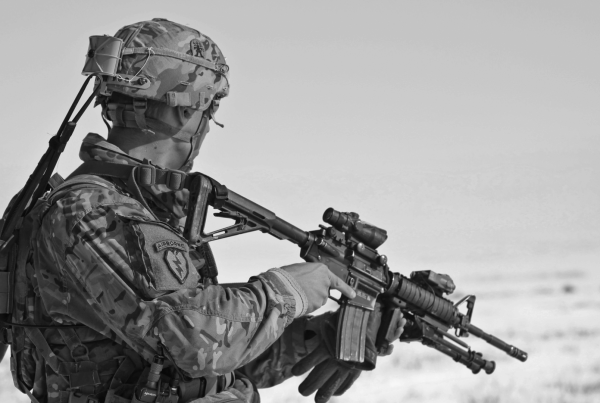
Tinnitus and hearing loss are the most commonly claimed service-connected disabilities among veterans receiving VA disability compensation. Veterans developed tinnitus and hearing loss from military service—weapons fire, artillery, aircraft noise, explosions, and occupational noise exposures during service cause hearing damage affecting veterans. Many veterans experience constant ringing, buzzing, or roaring in the ears, reduced hearing capacity, and significant functional impairment from service-related hearing conditions. Yet many veterans don’t realize they qualify for VA disability benefits for tinnitus and hearing loss or don’t understand how the VA rates these conditions in veterans. This comprehensive article explains how veterans develop service-connected tinnitus and hearing loss, how veterans can file disability claims for hearing conditions, what disability ratings veterans with tinnitus and hearing loss receive, and how veterans can maximize compensation for hearing disabilities.
How Veterans Develop Service-Connected Tinnitus and Hearing Loss
Veterans develop tinnitus and hearing loss through various service-related pathways:
Weapons Fire and Firearms Noise: The most common cause of service-connected hearing damage in veterans is repeated exposure to weapons fire during military service. Veterans who fired or were near weapons during training and combat experienced significant noise-induced hearing damage affecting the veteran’s ears. The cumulative effect of repeated weapons fire exposure during the veteran’s military service causes permanent hearing loss and tinnitus in many veterans.
Artillery and Explosive Blasts: Veterans exposed to artillery fire, IED blasts, mortar fire, or other explosive events during military service frequently develop hearing damage from the intense pressure waves affecting the veteran’s ears. Blast-induced hearing loss and tinnitus in veterans can occur from a single severe exposure or from repeated blast exposures during the veteran’s military service.
Aircraft and Vehicle Noise: Veterans who served near aircraft, helicopters, tanks, or heavy military vehicles during military service experienced significant occupational noise exposure affecting the veteran’s hearing. Flight crew members, ground support personnel, and armor crew veterans frequently develop noise-induced hearing loss from the veteran’s occupational noise exposure during military service.
Toxic Exposures: Veterans exposed to certain chemicals and ototoxic substances during military service sometimes developed hearing damage from toxic effects on the veteran’s auditory system. Certain chemicals, solvents, and heavy metals encountered during military service can damage the veteran’s hearing.
TBI-Related Hearing Damage: Veterans who sustained traumatic brain injuries during military service frequently develop tinnitus and hearing loss as secondary conditions from the neurological damage affecting the veteran’s auditory processing. TBI-related tinnitus in veterans is particularly common and qualifies for secondary service connection.
In-Service Acoustic Trauma: Some veterans experienced a single acute acoustic trauma during military service—such as being near a large explosion or discharge—that immediately damaged the veteran’s hearing. These acute acoustic trauma cases in veterans establish direct service connection through the documented in-service incident affecting the veteran.
Symptoms of Tinnitus and Hearing Loss in Veterans
Veterans with tinnitus and hearing loss experience various symptoms affecting the veteran:
Constant Ringing or Buzzing: The primary symptom of tinnitus in veterans is a constant or intermittent ringing, buzzing, hissing, or roaring sound in the veteran’s ears. This phantom noise in the veteran has no external source and affects the veteran continuously, disrupting the veteran’s concentration, sleep, and daily functioning.
Reduced Hearing Acuity: Veterans with hearing loss experience difficulty hearing conversations, television, or environmental sounds. This reduced hearing acuity in the veteran affects communication and social functioning, causing the veteran to frequently ask others to repeat themselves.
Difficulty Understanding Speech: Veterans with hearing loss often have particular difficulty understanding speech in noisy environments. This speech discrimination difficulty in the veteran significantly affects occupational and social functioning for the veteran.
Sleep Disruption: Veterans with tinnitus frequently experience sleep disruption from the constant noise in the veteran’s ears. This sleep disruption in veterans with tinnitus compounds other service-connected conditions affecting the veteran’s rest and daytime functioning.
Concentration Difficulties: Veterans with tinnitus experience difficulty concentrating due to the constant distraction of ear noise affecting the veteran. This cognitive interference from tinnitus significantly affects the veteran’s occupational performance and daily activities.
Social Withdrawal: Veterans with hearing loss and tinnitus frequently withdraw from social situations due to difficulty communicating and embarrassment from the veteran’s hearing condition. This social isolation in veterans from hearing conditions contributes to secondary depression and anxiety affecting the veteran.
Balance Problems: Some veterans with hearing damage experience associated balance problems and dizziness from inner ear damage affecting the veteran. These vestibular symptoms in veterans from hearing damage may qualify for separate disability consideration.
Service Connection for Veterans with Tinnitus and Hearing Loss
Veterans can establish service connection for tinnitus and hearing loss through several pathways:
Direct Service Connection: Veterans can establish direct service connection by showing that tinnitus or hearing loss resulted from noise exposure or other hearing damage during military service. The VA recognizes that military service involves significant noise exposure, and veterans generally receive favorable consideration for hearing claims. A veteran needs a current diagnosis of tinnitus or hearing loss and evidence of in-service noise exposure affecting the veteran.
Presumptive Considerations: The VA recognizes that certain military occupational specialties involve inherent noise exposure. Veterans in infantry, artillery, armor, aviation, and other high-noise occupations receive favorable consideration for service connection because the VA presumes significant noise exposure in these roles affecting the veteran.
Secondary Service Connection: Veterans establish service connection for tinnitus or hearing loss as a secondary condition to TBI or other service-connected conditions causing auditory damage affecting the veteran.
Disability Ratings for Veterans with Tinnitus and Hearing Loss
The VA rates tinnitus and hearing loss separately in veterans, with different rating schedules applying to each condition affecting the veteran.
Tinnitus Ratings for Veterans: Tinnitus in veterans receives a single rating of 10% regardless of severity. The VA rates tinnitus at 10% when it is recurrent and affecting the veteran. This 10% tinnitus rating is the maximum rating available for tinnitus alone in veterans, though tinnitus combined with hearing loss increases the veteran’s overall compensation.
Hearing Loss Ratings for Veterans: The VA rates hearing loss in veterans using a combination of speech recognition scores and pure tone average thresholds from audiological testing. Hearing loss ratings in veterans range from 0% to 100% depending on the severity of the veteran’s hearing impairment. The VA uses a hearing loss evaluation table combining these measurements to assign ratings from 0% to 100% for the veteran’s hearing loss.
Combined Hearing Ratings: Veterans with both tinnitus and hearing loss receive separate ratings for each condition that combine to increase the veteran’s total disability rating. A veteran might receive 10% for tinnitus and 10% or higher for hearing loss, with both ratings combining through the VA’s combined rating formula.
Filing for Tinnitus and Hearing Loss Disability Benefits as a Veteran
To file for VA disability benefits for tinnitus and hearing loss, veterans submit VA Form 21-526EZ indicating tinnitus and hearing loss as claimed conditions.
Veterans filing for tinnitus and hearing loss should include:
- Audiological examination results documenting the veteran’s hearing loss
- A current diagnosis of tinnitus from a physician or audiologist treating the veteran
- Records of noise exposure during the veteran’s military service
- Military occupational specialty documentation showing the veteran’s exposure to noise during service
- Records of any acoustic trauma incidents the veteran experienced during military service
- A personal statement from the veteran describing how tinnitus and hearing loss affect daily life and work
- If filing for secondary hearing conditions, medical evidence showing how the veteran’s primary service-connected TBI causes the veteran’s hearing damage
- Buddy statements from people who have observed the veteran’s hearing difficulties and tinnitus symptoms
Veterans should ensure they obtain a current audiological examination before or during the claims process, as the VA requires objective audiological testing to rate the veteran’s hearing loss accurately.
The Compensation and Pension Exam for Veterans with Tinnitus and Hearing Loss
When veterans file for tinnitus and hearing loss disability, the VA schedules a Compensation and Pension exam with a VA audiologist. During the veteran’s exam, the VA audiologist will:
- Conduct pure tone audiometry testing to measure the veteran’s hearing thresholds
- Conduct speech recognition testing to assess the veteran’s ability to understand speech
- Document the veteran’s tinnitus symptoms and how tinnitus affects the veteran’s functioning
- Review the veteran’s military service history and noise exposure
- Assess how the veteran’s hearing loss impacts communication and occupational functioning
- Document any associated symptoms like balance problems or dizziness affecting the veteran
Veterans should prepare for the exam by describing specifically how tinnitus and hearing loss affect the veteran’s daily communication, occupational functioning, and quality of life. Veterans should not attempt to perform better on hearing tests than the veteran’s actual hearing capacity allows.
Secondary Conditions in Veterans with Tinnitus and Hearing Loss
Veterans should file claims for conditions secondary to their tinnitus and hearing loss:
Depression and Anxiety: Veterans with chronic tinnitus and hearing loss frequently develop depression and anxiety from the constant noise, communication difficulties, and social isolation affecting the veteran. Secondary mental health conditions in veterans from hearing conditions qualify for separate disability ratings.
Sleep Disorders: Veterans whose tinnitus disrupts sleep may develop secondary sleep disorders. Sleep problems in veterans from tinnitus can receive separate disability ratings increasing the veteran’s combined rating.
Balance Disorders: Veterans with inner ear damage causing both hearing loss and vestibular dysfunction may develop secondary balance disorders. Secondary balance conditions in veterans from hearing damage may receive separate disability ratings.
Social Isolation and Cognitive Decline: Veterans with significant hearing loss sometimes develop cognitive decline from auditory deprivation and social isolation affecting the veteran. Secondary cognitive conditions in veterans from untreated hearing loss may receive additional consideration.
These secondary conditions increase the veteran’s combined disability rating substantially.
Combining Tinnitus and Hearing Loss with Other Veteran Disabilities
Many veterans have tinnitus and hearing loss combined with other service-connected conditions. For example, a veteran might have a 10% rating for tinnitus, a 10% rating for hearing loss, a 70% rating for PTSD, and additional disabilities affecting the veteran.
All conditions in veterans combine using the VA’s combined rating formula to determine the veteran’s total disability rating. Use our disability calculator at https://vetvalor.com/va-disability-calculator-2026/ to understand exactly how your tinnitus and hearing loss ratings combine with your other service-connected conditions as a veteran. The calculator shows veterans their total combined rating and monthly compensation.
Rating Increases for Veterans with Worsening Hearing Loss
Veterans whose hearing loss worsens over time should file for rating increases. Tinnitus in veterans remains rated at 10% regardless of progression, but hearing loss ratings in veterans can increase as the veteran’s audiological scores worsen over time.
Veterans should file for rating increases when:
- The veteran’s audiological testing shows worsened hearing thresholds
- The veteran’s speech recognition scores have declined significantly
- The veteran’s tinnitus has become associated with secondary conditions warranting additional ratings
- The veteran’s hearing loss increasingly impacts occupational capacity and communication
- The veteran requires hearing aids or other assistive devices for communication
When filing for a rating increase, veterans should submit updated audiological examination results showing the veteran’s worsened hearing thresholds and speech recognition scores.
Use our disability calculator at https://vetvalor.com/va-disability-calculator-2026/ to see how a hearing loss rating increase would affect your combined rating and total compensation as a veteran.
Understanding Your Tinnitus and Hearing Loss Disability Compensation
A veteran’s tinnitus and hearing loss disability compensation depends on the veteran’s hearing ratings and any other service-connected conditions the veteran has. Use our disability calculator at https://vetvalor.com/va-disability-calculator-2026/ to determine:
- Your combined rating including tinnitus, hearing loss, and other disabilities
- Your monthly compensation is based on your disability ratings
- How a hearing loss rating increase would affect your total compensation
- How tinnitus and hearing loss combine with other service-connected conditions affecting the veteran
The calculator helps veterans understand their total compensation when hearing conditions combine with other disabilities affecting the veteran.
Tinnitus and Hearing Loss Treatment and Management for Veterans
Veterans with service-connected tinnitus and hearing loss should establish regular care with VA audiologists knowledgeable about hearing condition management. The VA offers veterans:
- Comprehensive audiological evaluation and diagnosis of the veteran’s hearing conditions
- Hearing aids provided to the veteran at no cost through the VA for qualifying hearing loss
- Tinnitus retraining therapy and sound therapy for tinnitus management in veterans
- Cognitive behavioral therapy for tinnitus in veterans to reduce the psychological impact on the veteran
- Progressive Tinnitus Management program available through VA audiology for veterans
- Assistive listening devices and communication tools for the veteran’s daily functioning
- Cochlear implant evaluation for veterans with profound hearing loss
Veterans should maintain regular VA audiology care both for treatment and to create medical documentation supporting disability ratings and potential rating increase claims for the veteran’s hearing conditions.
Occupational Considerations for Veterans with Tinnitus and Hearing Loss
The VA recognizes that significant tinnitus and hearing loss affects occupational capacity in veterans. Veterans whose hearing conditions prevent them from performing their previous occupation—particularly jobs requiring clear verbal communication, telephone use, working in noisy environments, or positions where hearing acuity is essential for safety—may need occupational accommodations or career changes affecting the veteran.
Veterans with severe hearing loss and tinnitus significantly limiting occupational capacity should consider filing for Individual Unemployability (IU). Veterans whose combined hearing and other service-connected conditions prevent substantially gainful employment may qualify for IU benefits even if individual ratings don’t meet standard thresholds.
Appealing Denied Tinnitus and Hearing Loss Claims for Veterans
If the VA denies a veteran’s tinnitus or hearing loss claim, the veteran can appeal. Many veterans successfully overturn denials by:
- Submitting updated audiological examination results documenting the veteran’s hearing loss severity
- Obtaining nexus letters from audiologists or physicians confirming the veteran’s hearing conditions are service-connected
- Working with a VA-accredited representative who understands hearing loss claims
- Providing detailed personal statements describing how tinnitus and hearing loss affect the veteran’s functioning
- Documenting the veteran’s military occupational specialty and specific noise exposures during service
- Filing for secondary hearing conditions if the veteran’s primary service-connected TBI was approved
Don’t accept a denied tinnitus or hearing loss claim without appeal—many veterans successfully obtain hearing disability benefits after appealing initial denials.
Conclusion
Tinnitus and hearing loss are the most prevalent service-connected disabilities among veterans, significantly impacting the veteran’s ability to communicate, work, sleep, and maintain daily functioning. Veterans who developed tinnitus and hearing loss from weapons fire, blast exposure, aircraft noise, or other military noise exposures deserve disability compensation. If you’re a veteran with tinnitus or hearing loss, file a disability claim documenting your conditions and how they affect your functioning. Obtain current audiological testing to document the veteran’s hearing loss severity and ensure accurate rating. File claims for both tinnitus and hearing loss separately to maximize the veteran’s combined rating. Maintain regular VA audiology care and consistently document your symptoms and functional limitations. Use our disability calculator at https://vetvalor.com/va-disability-calculator-2026/ to understand your combined rating and total compensation when tinnitus and hearing loss combine with other veteran disabilities. As a veteran with service-connected tinnitus and hearing loss, you deserve disability benefits recognizing your conditions and compensating you for the functional impact on your veteran life.